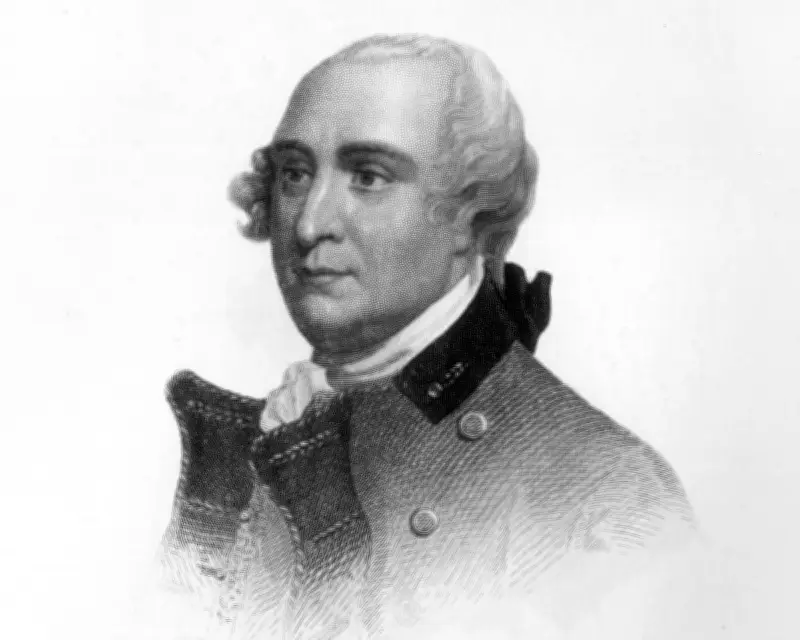
British troops under Sir Guy Carleton were aided by the weather in 1776 as their attackers struggled through mud and waist-deep water. This historical event offers a lesson about getting bogged down in foreign wars.
Conditions Against American Forces
In August 1775, the American Continental Army invaded Canada to drive the British from Quebec. When an American force under Gen William Thompson met the British at what became known as the Battle of Trois-Rivières, or Three Rivers, in June 1776, he had the advantage of superior numbers. But conditions on the ground were against him.
There had been heavy rainfall through the spring and early summer, turning much of the area into a marsh. A local farmer, Antoine Gautier, deliberately led the Americans into swampy ground, delaying them by several hours. The force had been spotted crossing the Saint Lawrence River, ruining what was supposed to be a surprise attack. While the attackers struggled through mud and sometimes waist-deep water, British troops and ships under the governor, Sir Guy Carleton, moved to counter them.

The Battle Unfolds
The sloop HMS Martin blasted Thompson’s troops with grapeshot as they emerged from the swamp. Elsewhere, the Americans ran into entrenched infantry. They withdrew with light casualties. However, the British had cut off their lines of retreat. The American force fragmented, and many were captured, including Thompson.
The American campaign in Canada ultimately failed. Two hundred and fifty years later, there still may be lessons about the dangers of getting bogged down in foreign wars because of faulty information about conditions on the ground.