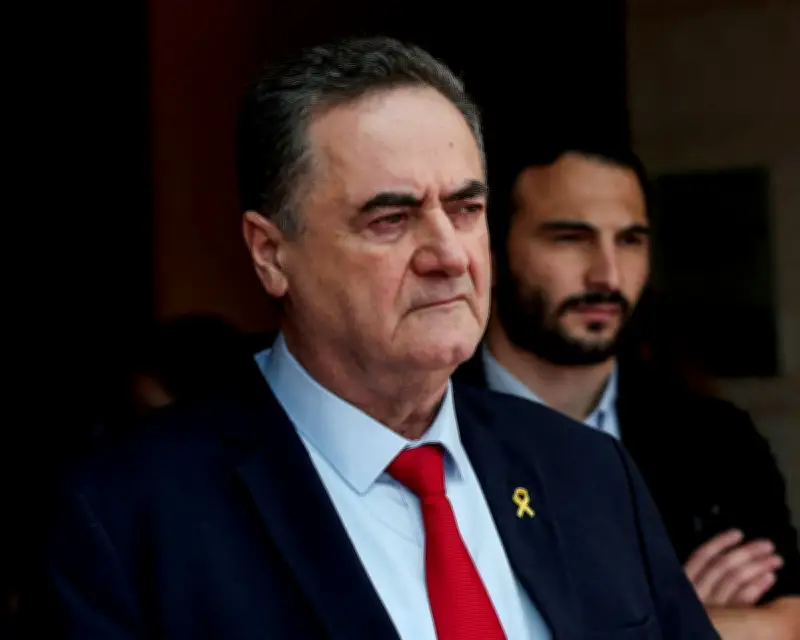
Israel's Defence Minister Israel Katz has refused to order a withdrawal of Israeli forces from southern Lebanon, a move that threatens to derail ongoing peace negotiations with Iran. The decision comes as international mediators push for a ceasefire along the Israel-Lebanon border and broader talks aimed at curbing Iran's nuclear program.
Stalemate on the Border
Katz's statement, made during a security briefing on Tuesday, confirms that Israel will maintain its military presence in the disputed area despite calls from the United Nations and European Union to de-escalate. 'We will not leave southern Lebanon until our security demands are met,' Katz said, according to a spokesperson. The region has seen sporadic clashes between Israeli forces and Hezbollah fighters since a ceasefire ended the 2006 war.
Impact on Iran Negotiations
The refusal comes as a blow to diplomatic efforts in Vienna, where envoys from world powers are attempting to revive the 2015 nuclear deal with Iran. Analysts say Israel's hardline stance could embolden Iranian hardliners who oppose any agreement. 'Every action that escalates tensions on Israel's northern border weakens the moderates in Tehran,' said Dr. Maya Cohen, a Middle East analyst at Tel Aviv University.

Regional Reactions
Lebanon's caretaker prime minister condemned the move, calling it a violation of UN Security Council Resolution 1701, which ended the 2006 conflict. Hezbollah's leader Hassan Nasrallah warned that any continued occupation would be met with 'unprecedented resistance'. Meanwhile, the United States expressed disappointment, with State Department spokesperson Ned Price urging 'all parties to exercise restraint and return to the negotiating table'. The European Union's foreign policy chief Josep Borrell noted that the decision 'undermines trust and complicates the path to a comprehensive peace'.
Humanitarian Concerns
The standoff has raised fears for civilians in southern Lebanon, where Israeli artillery and airstrikes have damaged infrastructure and displaced thousands. The UN Office for the Coordination of Humanitarian Affairs reported that over 120,000 people have been affected by the recent escalation, with water and electricity supplies disrupted. Aid agencies warn that a prolonged conflict could worsen the humanitarian crisis.
What's Next?
Diplomatic sources indicate that France and Qatar are preparing a new initiative to mediate between Israel and Hezbollah, but Katz's refusal has dimmed hopes for a quick resolution. The Israeli defence minister's stance is seen as a test for Prime Minister Naftali Bennett's coalition government, which includes both hawks and doves. With no withdrawal in sight, the region braces for further instability.