

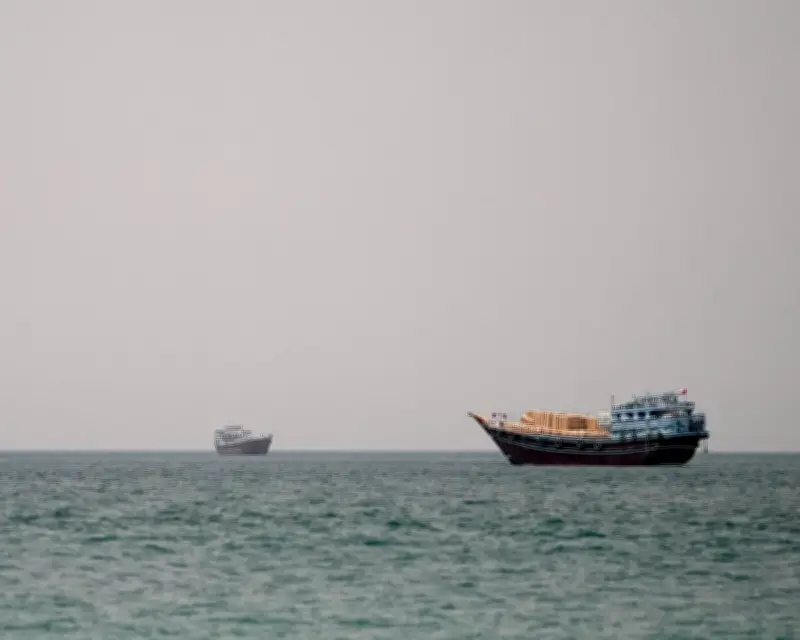
Oman announced on Tuesday that it has secured a safe reopening of the Strait of Hormuz, a critical waterway for global oil shipments, after tensions between Iran and the United States threatened to disrupt maritime traffic. The Omani Foreign Ministry stated that the agreement, reached after weeks of behind-the-scenes diplomacy, guarantees the unimpeded passage of commercial vessels, including oil tankers, through the strait.
Diplomatic Breakthrough
The deal comes after Iran had threatened to close the strait in response to increased US naval patrols in the region. Oman, a long-time mediator in Middle Eastern conflicts, facilitated talks between Iranian and US officials. According to a statement from the Omani government, both sides have agreed to de-escalate military postures and allow freedom of navigation. Omani Foreign Minister Badr al-Busaidi said, "This agreement demonstrates that dialogue and diplomacy can resolve even the most complex disputes. We are committed to ensuring the stability of this vital waterway."
Global Energy Impact
The Strait of Hormuz is a chokepoint for about 20% of the world's oil supply. The reopening has already caused oil prices to drop by 3% in early trading, with Brent crude falling to $78 per barrel. Analysts had warned that a prolonged closure could have sent prices above $100, triggering a global recession. The agreement is expected to ease supply chain disruptions and lower fuel costs for consumers worldwide.

Details of the Agreement
Under the terms of the deal, Iran will allow all vessels to pass through the strait without inspection or harassment, while the US has agreed to reduce its naval presence in the area. A joint Omani-Iranian committee will monitor compliance, and any disputes will be referred to Oman for mediation. The agreement is initially for six months, with the possibility of renewal. Iranian Foreign Minister Hossein Amir-Abdollahian praised Oman's role, stating, "We have always sought peaceful solutions. This agreement respects Iran's sovereignty while ensuring the rights of all nations to free navigation."
Reactions and Next Steps
The US State Department welcomed the announcement, calling it a "positive step" that reduces the risk of conflict. However, some US lawmakers expressed skepticism, arguing that Iran could renege on its commitments. The White House indicated that it would maintain sanctions on Iran but would monitor the situation closely. Meanwhile, shipping companies have already begun resuming normal routes through the strait, after diverting vessels to longer and costlier alternatives. The reopening is expected to save the global shipping industry billions of dollars in additional fuel and insurance costs.