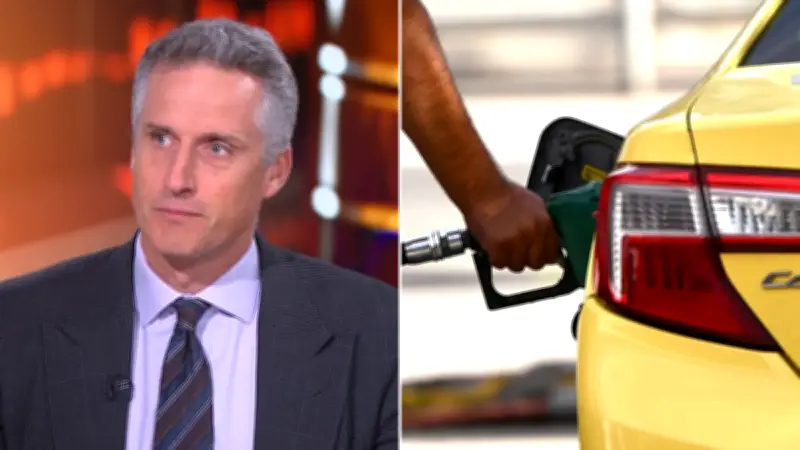
Australians are being warned to brace for another spike in fuel prices as the escalating conflict between Iran and Israel threatens to push global prices higher once more. Economist and Fort Lake Asset Management founder Christian Baylis told Sunrise the renewed tensions in the Middle East are likely to have consequences far beyond the bowser, with rising fuel costs feeding into the price of everyday goods and potentially complicating the inflation outlook.
“It definitely starts with the oil price going higher. Obviously, that hits people at the bowser,” Baylis said. “But then the second-order consequences are that starts to bleed into the everyday expense items that people have, which actually have fuel, such as garbage bags, lipsticks, these types of products. The war’s been going on so long that those second-order consequences are coming through in the inflation numbers.”
Broader economic impact
While motorists are likely to feel the first impact through higher petrol prices, Baylis said the broader concern is the way rising energy costs can spread throughout the economy. Fuel is a key input across transport, manufacturing and production, meaning sustained increases in oil prices can eventually push up the cost of a wide range of consumer goods.

Those pressures could create fresh challenges for the Reserve Bank of Australia as it continues its battle against inflation. Baylis believes another interest rate increase at the RBA’s upcoming meeting is unlikely, particularly after recent back-to-back rate rises, but warned the outlook could quickly change if tensions in the Middle East persist.
RBA forecasts under scrutiny
“If things don’t start to settle down with the war in Iran and ultimately oil prices don’t start to ebb lower, that will be a cause for concern for them,” he said. The RBA has forecast inflation will gradually return to its target range by 2028, but Baylis questioned how reliable long-term forecasts can be in an increasingly uncertain global environment. “That’s a very long time to have forecasts in this world because obviously it’s a pretty uncertain future at the moment,” he said.
Adding to the pressure on Australian motorists, the federal government’s temporary fuel excise cut is due to end on June 30, a move expected to add further upward pressure to petrol prices.