
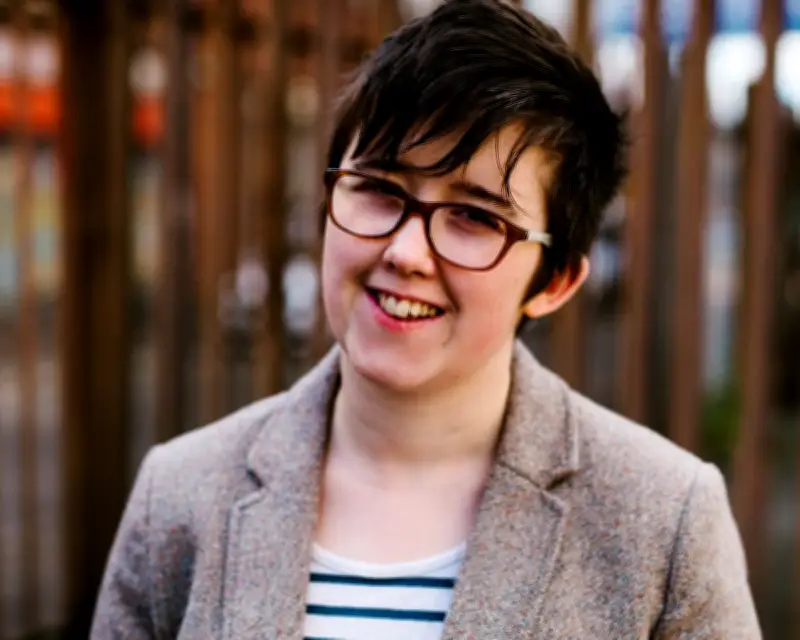
Three men have been acquitted of the murder of journalist Lyra McKee, who was shot dead during rioting in Derry, Northern Ireland, in April 2019. The verdict, delivered at Belfast Crown Court on Friday, has been met with widespread disappointment and criticism from McKee's family, the media community, and political leaders.
Verdict and Charges
Paul McIntyre, 58, and two other men who cannot be named because they were juveniles at the time of the incident, were found not guilty of murdering the 29-year-old journalist. McIntyre was also acquitted of possessing a firearm with intent to endanger life and of throwing a petrol bomb. The two younger defendants were cleared of throwing a petrol bomb and possessing a petrol bomb in suspicious circumstances. The trial, which lasted several weeks, heard evidence from dozens of witnesses and focused on whether the prosecution had proven beyond reasonable doubt that the accused were responsible for McKee's death.
The Night of the Killing
Lyra McKee was fatally shot in the head while observing rioting in the Creggan area of Derry on the night of April 18, 2019. She was standing beside a police vehicle when a gunman opened fire. The New IRA, a dissident republican group, later claimed responsibility for her murder, stating that she was caught in the crossfire. The attack was widely condemned, and McKee's death became a symbol of the ongoing sectarian tensions in Northern Ireland.

Family and Colleagues React
McKee's family expressed their devastation at the verdict. In a statement read outside the court, her partner Sara Canning said: "We are heartbroken and angry. The justice system has failed Lyra. We know who killed her, and we know that those responsible are walking free." The National Union of Journalists (NUJ) also condemned the outcome, with general secretary Michelle Stanistreet stating: "This is a dark day for justice. Lyra's murder was an attack on journalism itself, and the failure to secure convictions sends a terrible message."
Political and Community Response
Political leaders in Northern Ireland and beyond have weighed in. Sinn Féin vice president Michelle O'Neill called for a review of the case, saying: "The McKee family deserve answers. We cannot allow the murder of a journalist to go unpunished." The Police Service of Northern Ireland (PSNI) acknowledged the verdict but reiterated its commitment to investigating the murder. Assistant Chief Constable Mark McEwan said: "We remain determined to bring Lyra's killers to justice. This investigation is not closed."
The acquittal has also reignited debate about the challenges of prosecuting paramilitary-related murders in Northern Ireland, where witness intimidation and a code of silence often hinder convictions. According to the PSNI, the conviction rate for murders linked to dissident republicans is less than 10%.
Broader Implications
The case has drawn international attention, highlighting the risks faced by journalists in conflict zones. McKee's murder was one of a series of attacks on journalists in the UK and Ireland, prompting calls for greater protection. The verdict may also affect efforts to bring other perpetrators to justice, as it underscores the difficulty of securing convictions in politically charged cases.