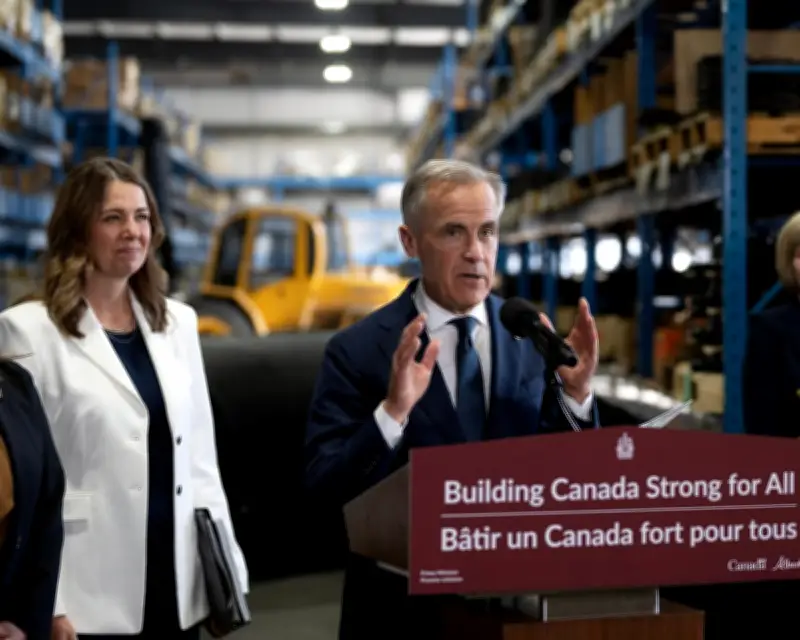
The Canadian federal government has given the green light to the expansion of the Trans Mountain pipeline in Alberta, a project that has been at the center of a bitter national debate over energy development and climate change. The decision, announced on Friday by Natural Resources Minister Jonathan Wilkinson, clears the way for construction to begin on the third phase of the pipeline, which will nearly triple its capacity from Alberta's oil sands to the Pacific coast.
Project Details and Economic Impact
The expansion will increase the pipeline's capacity from 300,000 barrels per day to 890,000 barrels per day, according to the government. The project is expected to create approximately 15,000 construction jobs and generate billions in tax revenue. Prime Minister Justin Trudeau has defended the project as a necessary step to ensure Canadian oil reaches global markets, reducing reliance on the United States. "This pipeline is in the national interest," Trudeau said. "It will create jobs, grow the economy, and ensure we get a fair price for our resources."
Environmental and Indigenous Opposition
Environmental groups and several Indigenous communities have strongly opposed the expansion, arguing it will increase greenhouse gas emissions and threaten fragile ecosystems. The project has been the subject of numerous legal challenges and protests. The government has imposed 156 conditions on the project, including stricter spill response plans and measures to protect endangered species. However, critics say these are insufficient. "This is a betrayal of our climate commitments," said Greenpeace Canada spokesperson Keith Stewart. "Trudeau talks about fighting climate change, but he keeps approving fossil fuel megaprojects."

Political and International Context
The approval comes as Canada faces pressure from the United States to increase energy exports amid global supply disruptions. The United States has been a major importer of Canadian oil, but pipeline bottlenecks have limited growth. The expansion is seen as a way to diversify markets, particularly to Asia. However, the project has also strained relations with the United States, which has raised concerns about environmental impacts. The decision is expected to be a key issue in the upcoming federal election, with the opposition Conservatives supporting the pipeline and the New Democrats and Greens opposing it.