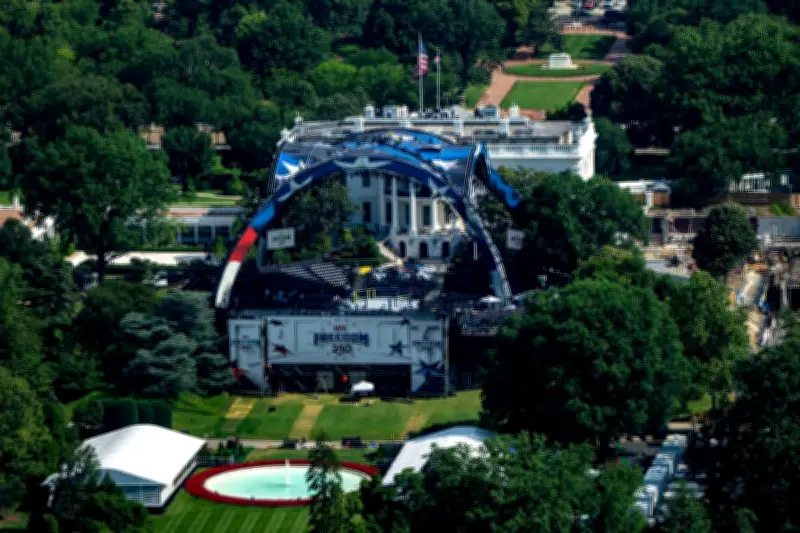
Judge Rules Trump White House UFC Event Violated Hatch Act
A federal judge has ruled that the Ultimate Fighting Championship (UFC) event held at the White House in 2023 violated the Hatch Act, a federal law that restricts political activities of government employees. The decision marks a significant legal setback for former President Donald Trump and his allies, who organized the event as part of his re-election campaign.
The lawsuit, filed by the watchdog group Citizens for Responsibility and Ethics in Washington (CREW), alleged that the event was a campaign rally disguised as a sports promotion. The judge agreed, stating that the use of White House grounds for a political event was a clear violation of the Hatch Act, which prohibits federal employees from engaging in partisan political activity while on duty or in government buildings.
Details of the Ruling
U.S. District Judge Tanya Chutkan ruled that the June 2023 event, which featured Trump, UFC President Dana White, and several fighters, was primarily political in nature. The event included campaign-style speeches, fundraising appeals, and a photo opportunity with Trump. The judge noted that the White House is not a venue for political rallies and that the event improperly used government resources for partisan purposes.

Judge Chutkan's ruling also highlighted that White House staff and federal employees were involved in organizing and promoting the event, which further violated the Hatch Act. The judge ordered the Trump administration to reimburse the government for the costs associated with the event, estimated at over $1 million. Additionally, the ruling bars any future administration from holding similar partisan events on White House grounds.
Reactions and Implications
CREW President Noah Bookbinder praised the ruling, calling it a victory for the rule of law. "The White House is not a campaign prop, and this decision reaffirms that federal ethics laws apply to everyone, including the president," Bookbinder said. The Trump campaign criticized the ruling as politically motivated, vowing to appeal. Trump's legal team argued that the event was a legitimate celebration of sports and not a campaign event.
The ruling could have broader implications for how future administrations use the White House for political purposes. Legal experts say the decision sets a precedent that could limit the ability of presidents to blend official duties with campaign activities. The case also underscores ongoing tensions between the Trump administration and federal ethics watchdogs.
This is not the first time Trump has faced legal challenges over alleged Hatch Act violations. Several former administration officials were found to have violated the law during his tenure. However, this is the first time a judge has ruled against the president himself in such a case.