Prisoners in Western Australia are living in conditions that are 'cruel, inhuman or degrading,' according to a new report from the state's inspector of custodial services. The report, tabled in parliament on Tuesday, highlights a systemic failure across multiple prisons, with inmates sleeping on mattresses on the floor of overcrowded cells and being denied basic entitlements.
Systemic Failure Across Multiple Prisons
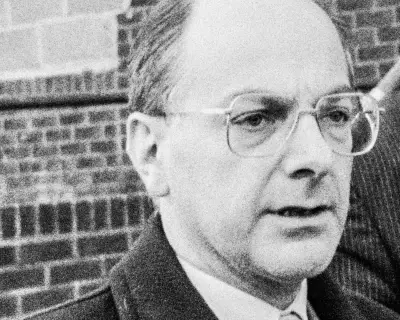
Eamon Ryan, the inspector of custodial services, stated that most of WA's correctional facilities are in crisis, with an increased level of harm observed across the system. The Hakea, Melaleuca, and Casuarina facilities pose a potentially serious risk to the security, control, safety, care, and welfare of prisoners. 'This is no longer a problem confined to a single facility – it reflects a systemic failure across multiple prisons,' Ryan said.
The report warns that conditions pose a serious risk to the safety and wellbeing of prisoners and staff, and in some cases may amount to cruel, inhuman or degrading treatment. 'The system is operating beyond its capacity, with overcrowding, workforce pressures and restrictive regimes now embedded as the norm,' Ryan added.

Overcrowding and Staff Shortages
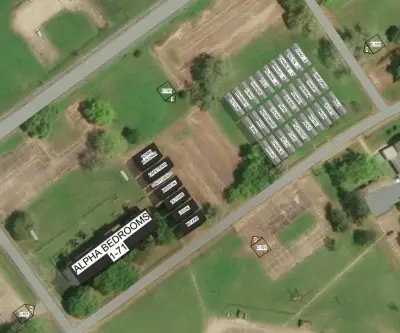
WA's adult prisons are operating in a sustained state of unsafe failure, driven by a 37% increase in prisoner numbers over three years and chronic workforce instability. Widespread overcrowding, including triple-bunking and prisoners sleeping on mattresses on the floor, has eroded infrastructure resilience. In many cases, inmates are sleeping next to the cell's shared toilet.
One inmate at Hakea reported: 'So many cockroaches in cell. No laundry. No use of phones. Toilets are broken. No pillow. It's filthy.' A staff member at Casuarina said low staffing meant 'staff safety is beyond compromised.'
Impact on Prisoners and Staff
Chronic staff shortfalls have triggered routine lockdowns, significantly reducing time out of cell, cancelling family contact, and limiting access to basic services. This has led to the routine denial of fundamental entitlements. A woman incarcerated in Melaleuca said: 'I've seen my kids 3 times since November, they book every week without fail, all visits are cancelled.' Another added: 'We get locked in too much no fresh water haven't seen my family in 4 week due to cancelled visits makes my mental health shit.'
The report notes that Hakea, Casuarina, and Melaleuca accounted for 60% of all self-harm incidents in the year to January 2026, reflecting an upward trend. One woman described high levels of mental distress: 'Women are still self harming and hanging themselves. If not for cell mates deaths in custody here would be sky high. The cell mates are left to deal with it. That's not okay.'
Risk of Serious Harm and Death
The report warns that the environment in the three prisons 'materially increase the risk of serious harm and death in custody.' It draws parallels with warning signs present prior to the 2018 Greenough Regional Prison riot, which led to the escape of 10 inmates and caused millions of dollars in damage.
Ryan called on the government to formally commit to and fund system-level reforms. He also issued a show-cause notice to the WA justice department and then to the minister for corrective services, Paul Papalia, after the department's response.
Government Response
Papalia told parliament that the increased prison population was due to the 'stellar performance' of WA police in arresting people for family violence offences, adding that corrective services did not control how many people came into prison. 'They are funded to do it, there is a plan and it's being executed,' he said.
This is not the first time concerning conditions have been found in a WA prison. In May 2024, conditions in Hakea were found to have deteriorated to the point where it was suspected that prisoners were being held in conditions that were cruel, inhuman or degrading. A show-cause notice was issued, and follow-up reports in 2025 also highlighted problems.

The department said it was addressing the problems as part of system-wide reforms, including 'operational, workforce and infrastructure measures' to manage the growing prisoner population, capacity constraints, and staffing challenges. The corrective services commissioner, Brad Royce, said these measures are supporting more stable operations and reducing reliance on restrictive routines, with Hakea particularly benefiting.
In Australia, the crisis support service Lifeline is 13 11 14. Indigenous Australians can call 13YARN on 13 92 76 for information and crisis support. Other international helplines can be found at befrienders.org.