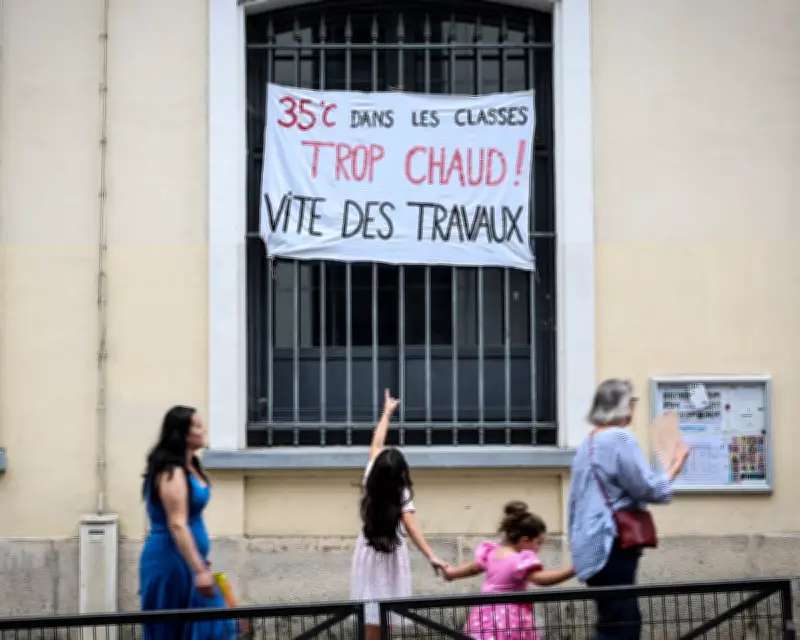
Unions representing French teachers have called for a strike during national school exams, citing dangerously high temperatures that they say put students and staff at risk. The action, planned for the first day of the baccalaureate exams, demands urgent measures to protect against heatwaves.
Heatwave Triggers Strike Call
France is experiencing an unusually early and intense heatwave, with temperatures exceeding 40°C in some regions. The FSU, the largest teachers' union, along with other education unions, have urged members to walk out on June 26, when written exams for the baccalaureate begin. They argue that classrooms lack air conditioning and adequate ventilation, creating unsafe conditions.
According to the FSU, many schools have not implemented heatwave protocols, leaving students to sit for hours in stifling heat. The union stated, “It is unacceptable to subject students and staff to such conditions during crucial exams. The government must act now to ensure safe learning environments.”

Impact on Students and Exams
The strike could disrupt exams for over 500,000 students nationwide. The Ministry of Education has announced contingency plans, including rescheduling some tests and providing water stations, but unions say these measures are insufficient. They are demanding the installation of air conditioning in all exam halls and the option to postpone exams during extreme heat events.
One teacher in Marseille told local media, “We cannot concentrate, let alone teach, in these conditions. It’s a health hazard.” The heatwave has already led to school closures in several districts, but the ministry insists exams must proceed.
Government Response
The French government has faced criticism for its handling of the heatwave. Prime Minister Élisabeth Borne has called for calm, stating that officials are monitoring the situation. However, unions have rejected these assurances, noting that similar heatwaves have occurred in recent years without systemic changes.
The strike is expected to draw significant public support, as France grapples with the effects of climate change. A recent report by the French meteorological agency found that heatwaves have become five times more frequent in the past decade compared to the 1970s.
Broader Implications
This strike highlights a growing conflict between education authorities and unions over working conditions in a warming world. Similar disputes have arisen in other countries, including the United States and Australia, where teachers have demanded climate-resilient schools. The outcome of the French strike could set a precedent for future labor actions in the education sector.
As the strike date approaches, both sides remain entrenched. The unions have vowed to continue protests if their demands are not met, while the government warns that disruptions could harm students’ academic futures.