
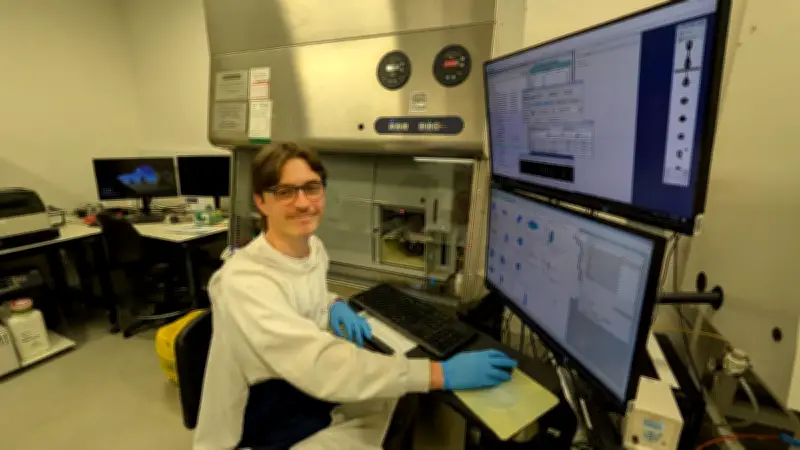
PhD student Maxim Buckley, who researches acute lymphoblastic leukaemia at the University of Adelaide, earns just $18.50 an hour — a rate barely above Australia's poverty line. The 29-year-old is in his final months of critical research that could improve treatments for children with cancer.
Living on the Edge of Poverty
Buckley rents a room in a share house with four others and takes on university tutoring and paper marking to supplement his income beyond the minimum 38 hours he spends weekly on his PhD. His salary is below the national minimum wage, which will rise to $26.44 per hour from 1 July.
"If you ask just about anyone whether they think they could live on $36,000 a year while working a full-time-plus job, most people would balk," Buckley said. "People often assume you're just attending lectures, but when you explain the reality, they're shocked."

The minimum Research Training Program (RTP) scholarship of $34,315 fell below the Henderson Poverty Line in September 2025. The last significant increase occurred under former Prime Minister Kevin Rudd in 2009.
Government Report Recommends $50,000 Stipend
The federal government has yet to act on a report from an independent expert panel, which includes Tesla chair Robyn Denholm and former chief scientist Ian Chubb. Handed to the government in December, the report recommends an urgent increase to a base rate of $50,000 — initially for students in national innovation pillars such as health, medical, science, and energy, then extended to all fields.
The stipend is tax-free for full-time students but not for part-time students, a discrepancy the panel also recommended fixing. It is indexed annually to inflation and does not contribute to superannuation.
Declining PhD Enrolments
A January 2025 report found that Australian PhD enrolments declined by nearly 10% over a decade, with soaring living costs and inadequate government support deterring potential candidates — almost 60% of whom are women.
Jesse Gardner-Russell, a PhD candidate at the University of Melbourne and head of the Council of Australian Postgraduate Associations, says the low stipend is a critical barrier. Many students take on second or third jobs to survive.
"If you pick up tutoring or work in fast food on top of your full-time PhD, it's a huge emotional and physical drain," Gardner-Russell said. "Part-time students — often young mothers, people with disabilities, or chronic illnesses — are punished by the government."
Gardner-Russell, who researches restoring vision to stroke patients, argues that increasing the stipend and attracting new PhD candidates would boost Australia's stagnant productivity. "PhD students perform 54% of all university research. Lower stipends mean fewer researchers, so instead of producing 3% of global research, we could go backwards," he said.
Universities Paying Below Poverty Line
Universities can pay stipends between a minimum of $34,315 and a maximum of $53,608. Sixteen universities paid below the poverty line of $36,446.26 in the December 2025 quarter. The University of Adelaide paid $36,500 for 2026 — just above the line. The average sector stipend is only $681 above the line, with the University of Sydney paying the highest at $42,754 as of January.
However, when universities offer more than the base rate, they may admit fewer PhD students.
Political Responses
Education Minister Jason Clare acknowledged that candidates do invaluable work supporting research and innovation but would not commit to accepting the panel's recommendation to raise the rate. "It is up to universities to determine how much individual students receive. This can vary, although several universities choose to pay above the minimum rate," he said.
Independent MP Monique Ryan called the low pay a serious equity issue with long-term implications. "If pursuing a PhD is only possible for those with family support or independent wealth, we're shutting out talented Australians from diverse backgrounds," Ryan said.

Greens deputy leader Mehreen Faruqi described the panel's recommendations as the bare minimum and labelled the situation a "disgrace." "If the government cannot commit to lifting stipends above the poverty line and extending tax-free support to part-time researchers, they are effectively saying poverty is an acceptable condition of higher education," she said.