

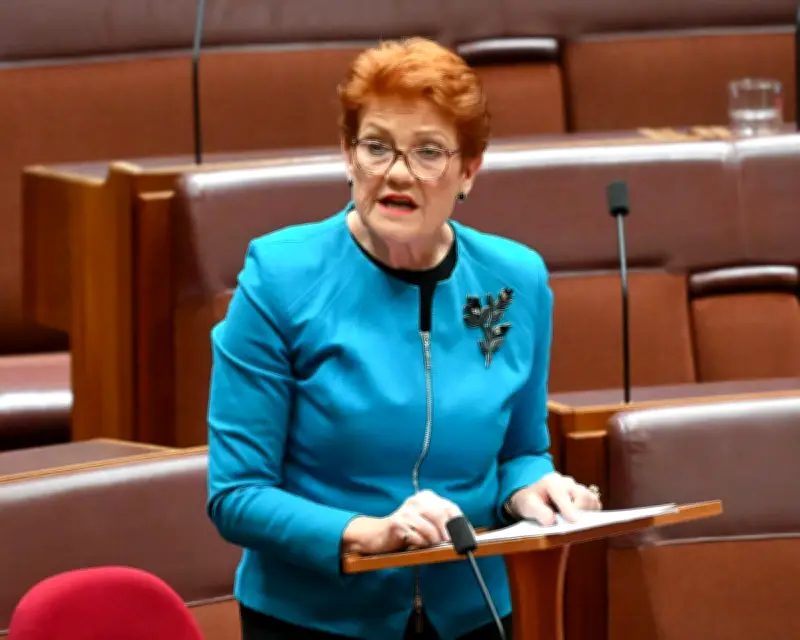
Pauline Hanson and her One Nation party are increasingly borrowing from Donald Trump's playbook of grievance politics, tapping into widespread discontent among voters who feel left behind by mainstream parties. This strategy, which focuses on stoking resentment against immigrants, political elites, and globalisation, has proven effective in mobilising a disaffected base.
The Rise of Grievance Politics in Australia
Grievance politics, characterised by a focus on perceived injustices and a narrative of 'us versus them', has become a staple of Hanson's rhetoric. She often frames issues around immigration, multiculturalism, and economic inequality, blaming them for the struggles of ordinary Australians. This mirrors Trump's approach, which centred on a similar anti-establishment and nationalist message.
Key Tactics Borrowed from Trump
- Targeting Elites: Hanson frequently attacks 'the elites' in Canberra, academia, and the media, accusing them of ignoring the concerns of everyday people.
- Immigration as a Scapegoat: Like Trump, she uses immigration as a lightning rod, claiming it undermines Australian culture and jobs.
- Nationalist Rhetoric: Her calls to 'put Australia first' echo Trump's 'America First' policy, appealing to national pride and sovereignty.
Why This Strategy Works
The success of grievance politics lies in its ability to give voice to those who feel unheard. In Australia, this includes voters in regional areas and deindustrialised towns who have seen their living standards stagnate. Hanson's message resonates because it offers simple explanations and villains for complex problems.

Impact on Australian Politics
One Nation's adoption of this strategy has forced other parties to respond. The Coalition and Labor have increasingly adopted tougher stances on immigration and border security, while also trying to address economic disenfranchisement. However, critics argue that this shift normalises divisive rhetoric and undermines social cohesion.
Hanson's approach also highlights a broader trend in Western democracies, where populist leaders use grievance politics to challenge established political orders. As Australia heads into the next election, the influence of this style of politics is likely to grow, shaping debates on immigration, trade, and national identity.
Conclusion
Pauline Hanson's borrowing from Trump's grievance politics is a calculated move to expand her political influence. While it may galvanise her base, it also risks deepening societal divisions. The long-term effects on Australian democracy remain to be seen, but for now, grievance politics is a potent force in the nation's political landscape.