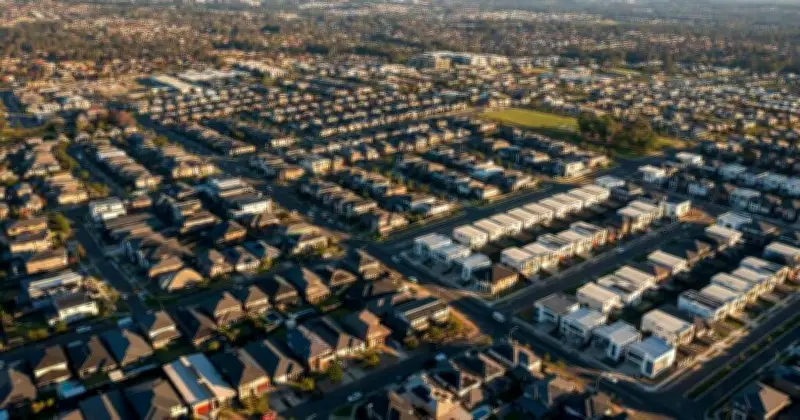
The Housing Industry Association (HIA) has issued a stark warning that Australia is heading into a deepening housing supply shortage, with new home building starts plummeting to their lowest level in a decade. According to the HIA's latest economic report, the number of new homes being constructed has fallen sharply, exacerbating an already tight rental market and pushing up housing prices.
New Home Building Starts at Decade Low
The HIA's new home sales data reveals that the volume of new home sales in the June quarter was the lowest since 2012. The association's chief economist, Tim Reardon, stated that "the pipeline of new home building is shrinking rapidly, and this will have significant consequences for housing affordability and availability." The decline is attributed to rising construction costs, labor shortages, and higher interest rates, which have deterred developers and homebuyers alike.
Impact on Rental Market and Home Prices
The supply shortage is already being felt in the rental market, with vacancy rates dropping to record lows in many capital cities. The HIA warns that without a significant increase in new builds, rents will continue to rise, putting pressure on low-income households. Additionally, the lack of supply is expected to keep home prices elevated, despite recent interest rate hikes aimed at cooling the market. Reardon noted that "the shortage of new homes is a structural issue that requires urgent policy intervention."

Calls for Government Action
The HIA is calling on state and federal governments to take immediate steps to boost housing supply. Recommendations include streamlining planning approvals, reducing taxes on new homes, and investing in skills training to address labor shortages. The association also urged the government to provide more incentives for first-home buyers to stimulate demand. Without these measures, the HIA warns that the housing crisis will worsen, affecting millions of Australians.
Industry Outlook
Looking ahead, the HIA forecasts that new home building starts will remain low for the next 12 to 18 months, with a recovery unlikely until 2025. The association emphasized that the current downturn is not just a cyclical dip but a structural shift that requires a coordinated response from all levels of government. "We need to act now to prevent a lost decade in housing construction," Reardon added.