Angus Taylor under fire over Brumbies position
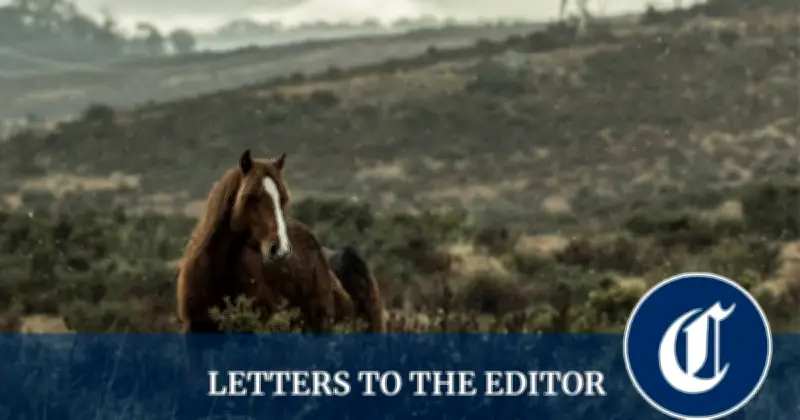
Angus Taylor, the federal minister for energy and emissions reduction, has come under fire for his stance on Brumbies, with critics arguing it threatens the delicate ecosystem of the Australian Alps. The controversy erupted after Taylor expressed support for the preservation of wild horses in Kosciuszko National Park, a move that conservationists say could lead to irreversible environmental damage.
Conservationists sound alarm
The Brumbies, descended from horses brought by European settlers, are considered a pest by many ecologists due to their impact on native flora and fauna. According to a study by the Australian National University, the horses cause significant soil erosion and damage to waterways, threatening species such as the corroboree frog and the alpine she-oak. "The evidence is overwhelming that Brumbies are causing extensive harm to the ecosystem," said Dr. Sarah Legge, a wildlife ecologist. "Allowing them to remain in such high numbers is a direct threat to biodiversity."
Political and community divide
Taylor's position has drawn sharp criticism from environmental groups and some local communities. In a letter to the editor published in The Canberra Times, a reader accused Taylor of prioritizing political interests over environmental responsibility. The reader wrote, "It is alarming that a federal minister would ignore scientific consensus to appease a vocal minority." However, Taylor has defended his stance, arguing that Brumbies are part of Australia's cultural heritage and should be managed humanely. He has called for a balanced approach that includes fertility control and relocation rather than culling.

Impact on local ecosystem
The debate centers on the Kosciuszko National Park, a UNESCO Biosphere Reserve that is home to unique alpine ecosystems. The park's management plan currently aims to reduce the Brumby population to 3,000 by 2027, down from an estimated 14,000 in 2020. However, Taylor's intervention has raised concerns that this target may be abandoned. "If we don't act decisively, we risk losing species that exist nowhere else on Earth," said Dr. Legge. The issue has also sparked tensions between farmers, who see Brumbies as a symbol of rural heritage, and conservationists, who view them as an invasive species.
Broader implications for environmental policy
The controversy underscores the challenges facing the Australian government in balancing conservation with agricultural and cultural interests. Taylor's role in the energy and emissions reduction portfolio has also drawn scrutiny, with critics questioning his commitment to environmental protection. "This is not just about horses; it's about whether we take science seriously in policy-making," said a spokesperson for the Australian Conservation Foundation. The outcome of the Brumby debate could set a precedent for how other invasive species are managed across the country.