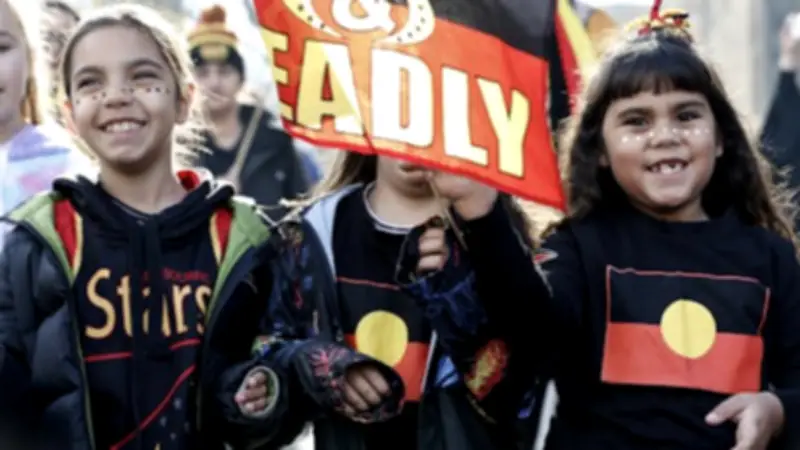
Half a century after its expansion into a week-long event, NAIDOC Week continues to embody both celebration and protest, according to historians. The annual observance, which runs from the first Sunday in July, traces its roots to the 1938 Day of Mourning, when Aboriginal leaders gathered on January 26 to protest 150 years of colonisation and demand citizenship and basic human rights.
From Day of Mourning to National Celebration
The Day of Mourning was one of Australia's first major civil rights protests, challenging the triumphant national narrative of colonisation. Over subsequent decades, Aboriginal organisations sustained the movement. In the 1950s, the observance was moved from January to July to distinguish it from Australia Day and encourage broader participation. By 1975, it had become a week-long event, and in 1991 the committee formally recognised Torres Strait Islander peoples, adopting the name NAIDOC.
Today, NAIDOC Week is celebrated in communities across Australia, but its foundations remain rooted in the pursuit of justice, equality and self-determination. The annual themes provide a timeline of Aboriginal and Torres Strait Islander political priorities, from early calls for land rights and treaty to recent emphases on truth-telling and Indigenous sovereignty.

Themes Reflect Political Priorities
The 2019 theme, Voice, Treaty, Truth, reflected real conversations within Indigenous communities. Themes such as Always Was, Always Will Be and Heal Country were never simple slogans; they captured aspirations for the future. This year's theme, 50 Years of Deadly, honours the generations who built the movement. According to the NAIDOC committee, it is "a tribute to the people who built this movement. The Elders who stood firm, the organisers who made space, the artists who turned resistance into expression, and the communities who keep showing up, year after year."
The word "deadly" is a term of praise among Aboriginal and Torres Strait Islander peoples, meaning excellent or impressive. The theme recognises that what has always been deadly is the people themselves.
Blak Christmas and Ongoing Work
For many Indigenous Australians, NAIDOC is affectionately known as "Blak Christmas," a time for families and communities to reconnect through marches, community days, award ceremonies, sporting carnivals and cultural performances. However, observers caution against reducing NAIDOC to office morning teas or cupcakes. While such events can bring people together, they should be the beginning of a conversation, not the end.
The issues that inspired the 1938 Day of Mourning—justice, equality, self-determination and truth-telling—remain part of the national conversation. NAIDOC's enduring significance lies in its dual role: celebrating one of the world's oldest continuing cultures while reminding Australians of the ongoing pursuit of justice and equity.