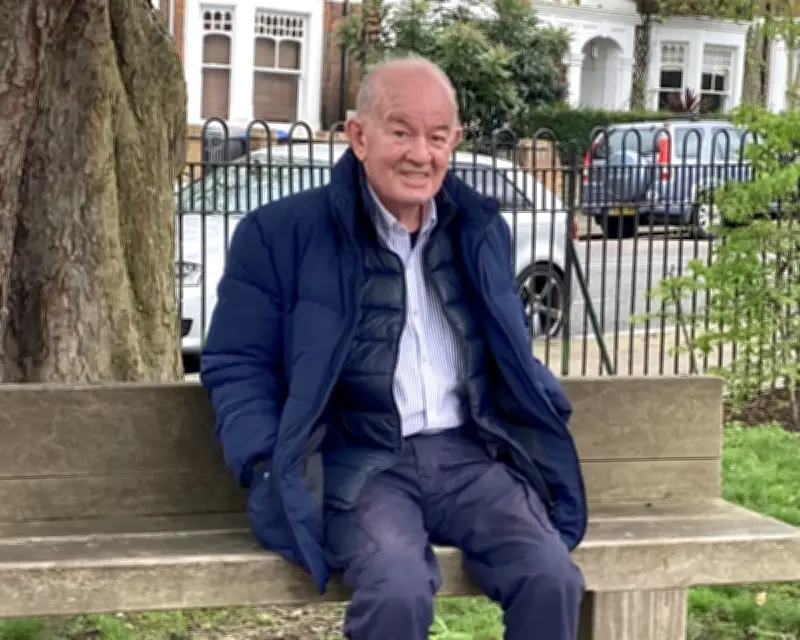
Peter O'Callaghan, a towering figure in the disability rights movement and a key architect of Australia's Disability Discrimination Act, has died at the age of 78. His family confirmed he passed away peacefully in Sydney on June 27, 2026, surrounded by loved ones.
Early life and activism
Born in Melbourne in 1948, O'Callaghan contracted polio at age three, leaving him with permanent mobility impairments. He attended a segregated school for disabled children, an experience that ignited his lifelong fight for inclusion. In 1971, he co-founded the Disability Rights Coalition, one of Australia's first advocacy groups led by people with disabilities.
According to his longtime friend and colleague Dr. Sarah Thomson, O'Callaghan was instrumental in shifting the narrative from charity to rights. "He used to say, 'We don't want pity, we want equal opportunity,'" she recalled.

Key achievements
O'Callaghan's most significant contribution was his role in drafting and campaigning for the Disability Discrimination Act 1992. He served on the advisory committee that wrote the bill and lobbied parliament relentlessly. The act, which came into effect in 1993, made it unlawful to discriminate against people with disabilities in employment, education, and access to public spaces.
"Without Peter, the DDA would not have been as strong as it is," said former attorney-general Michael Lavarch, who introduced the legislation. "He fought for every clause, ensuring it covered not just physical disabilities but also mental health conditions and chronic illnesses."
O'Callaghan also founded the Australian Disability Clearinghouse on Education and Training, which provides resources for inclusive education. In 2001, he was appointed a Member of the Order of Australia for his services to people with disabilities.
Legacy and impact
His work extended beyond legislation. He was a vocal critic of institutionalisation and campaigned for deinstitutionalisation, leading to the closure of many large residential facilities. He also advocated for accessible public transport, resulting in the rollout of low-floor buses and wheelchair-accessible trains in major cities.
"Peter changed the way Australia thinks about disability," said Disability Discrimination Commissioner Rosemary Kayess. "He showed that people with disabilities can be leaders, not just recipients of care."
O'Callaghan is survived by his partner of 40 years, John, and their two adopted children. A state funeral is planned for July 10 in Sydney.