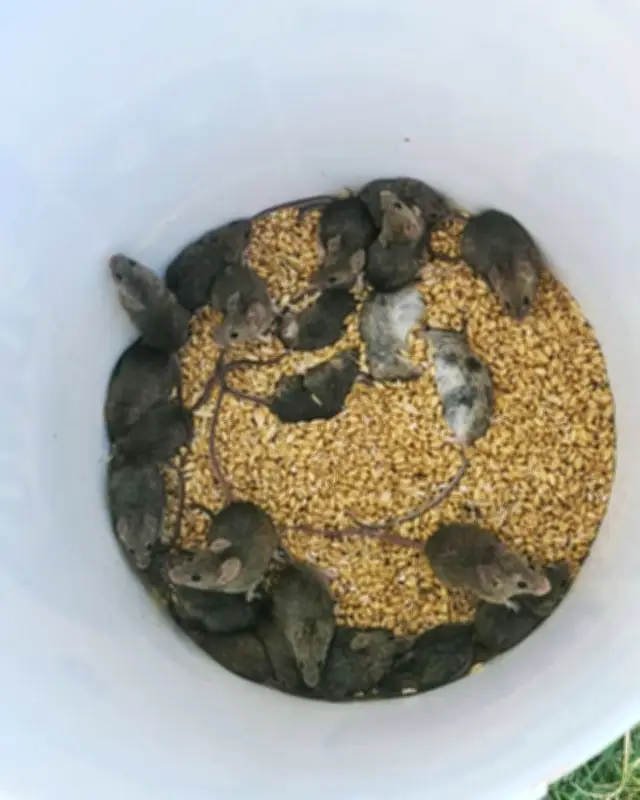
A devastating mouse plague is wreaking havoc across agricultural regions in Western Australia and South Australia, with farmers reporting widespread damage to crops and stored grain. The infestation, which has been building over recent months, has reached unprecedented levels in some areas, threatening livelihoods and food supplies.
Scope of the Infestation
Reports indicate that mouse populations have exploded in parts of the WA grain belt and SA's cropping zones. Farmers describe fields overrun with rodents, chewing through wheat, barley, and canola crops. Stored grain in silos and sheds has been contaminated with droppings and urine, rendering it unsellable.
One farmer near Esperance, WA, stated that traps are catching hundreds of mice per night, yet the population shows no sign of decline. In SA's Yorke Peninsula, growers are resorting to extensive baiting programs, but the sheer number of mice is overwhelming control efforts.

Economic Impact
The economic toll is expected to be substantial. The Grain Industry Association of Western Australia estimates that millions of dollars worth of grain could be lost if the plague continues. Additionally, the cost of bait and additional labor to manage the outbreak is straining farm budgets already affected by drought and low commodity prices.
Farmers are calling for emergency assistance from state and federal governments, including subsidies for bait and compensation for losses. Some have also urged the approval of more potent rodenticides, though environmental concerns remain.
Environmental and Health Concerns
The plague also poses risks to human health. Mice can carry diseases such as leptospirosis and salmonella, contaminating water supplies and food. Inhaling dust from mouse droppings can cause respiratory issues. Communities are advised to take precautions, including sealing homes and using protective gear when cleaning infested areas.
Predators such as snakes and birds of prey may benefit from the abundant food source, but the overall ecological balance is disrupted. The use of widespread baiting also raises concerns about secondary poisoning of native wildlife.
Government Response
State governments in WA and SA have activated emergency response plans, coordinating with agricultural departments to distribute bait and provide advice. The federal government has been urged to declare the mouse plague a natural disaster, which would unlock additional support.
Minister for Agriculture David Littleproud said the government is monitoring the situation closely and will consider requests for assistance. However, some farmers feel the response is too slow, with crops continuing to be destroyed daily.
Looking Ahead
With winter crops just planted, farmers fear the mice will attack seedlings, leading to long-term damage. The plague is expected to persist until food sources diminish or natural predators control the population. Cooler weather may slow breeding, but experts warn that without significant intervention, the outbreak could continue into the next season.
Farmers are urged to report infestations to local authorities and adopt integrated pest management strategies. Community support networks are also being established to help those affected cope with the stress and financial burden.