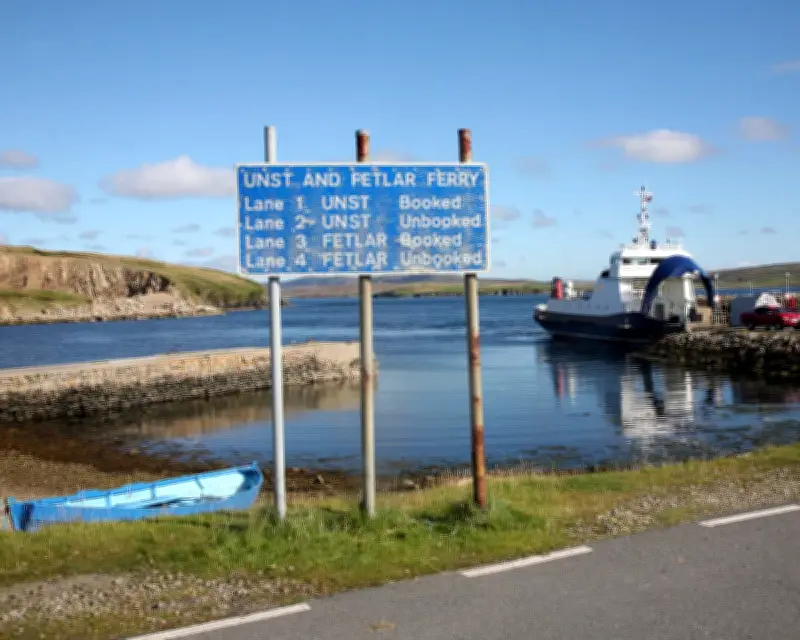
Shetland councillors have approved ambitious plans to construct a network of tunnels connecting the archipelago's largest islands, a project that could reshape transport links in the remote region. The decision, taken at a council meeting on Tuesday, paves the way for a feasibility study into the proposed undersea tunnels, which would link the islands of Mainland, Yell, Unst, and possibly Whalsay. The estimated cost of the project is £1.2 billion, according to council documents.
Plans for Subsea Tunnels
The proposed tunnel network would replace the current ferry services that connect the islands, which are often disrupted by harsh weather conditions. The longest tunnel, connecting Mainland to Yell, would stretch approximately 10 kilometers, making it one of the longest subsea road tunnels in the world. A second tunnel would link Yell to Unst, the northernmost inhabited island in the UK, while a third branch to Whalsay is also under consideration.
Council leader Steven Coutts said: 'This is a once-in-a-generation opportunity to transform transport in Shetland. The tunnels would provide reliable, all-weather access, boosting the local economy and improving quality of life for residents.' The project is expected to take 15 to 20 years to complete if it proceeds.

Economic and Social Impact
Supporters argue that the tunnels would significantly reduce travel times and costs. Currently, ferry journeys between the islands can take up to 90 minutes, and services are often cancelled due to storms. The tunnels would cut travel time to just a few minutes by car. The council estimates that the project could create up to 1,000 jobs during construction and provide long-term economic benefits by improving access for businesses and tourists.
However, the project faces significant challenges, including funding. The council has not yet secured financial backing from the Scottish or UK governments. A spokesperson for the Scottish government said: 'We note the council's plans and await the feasibility study. Any major infrastructure project would require careful consideration of costs and benefits.'
Environmental and Technical Hurdles
Environmental groups have raised concerns about the impact on marine life and the seabed. The tunnels would be bored through bedrock, and the disposal of excavated material is a key issue. The council has pledged to conduct thorough environmental assessments. Technical challenges include the harsh North Sea conditions and the need for ventilation and safety systems in long tunnels.
Despite these hurdles, the council voted 18-4 in favor of proceeding with the feasibility study, which is expected to take two years and cost £5 million. If the study confirms the project's viability, the council will seek funding and begin detailed design work.