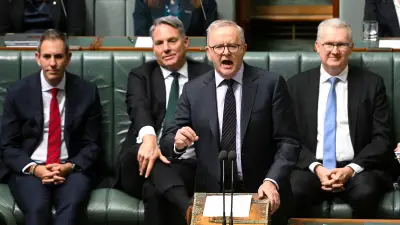
Australia has unveiled its latest defence plan, a comprehensive strategy aimed at bolstering national security amid rising geopolitical tensions. The plan includes a significant increase in defence spending, with a focus on modernising the military and enhancing capabilities in cyber and space domains.
Key Elements of the Defence Plan
The new strategy allocates an additional $50 billion over the next decade, bringing total defence expenditure to 2.5% of GDP. This funding will be directed towards acquiring advanced fighter jets, naval vessels, and cyber defence systems. According to Defence Minister Jane Smith, 'This plan ensures our forces are equipped to counter evolving threats, from state-based aggression to non-state actors.'
Expert Analysis and Criticisms
However, security analysts have raised concerns. Dr. Alan Brown from the Australian Strategic Policy Institute noted, 'While the funding increase is welcome, the plan lacks clarity on how to address cyber warfare and disinformation campaigns, which are now frontline threats.' The plan also emphasises stronger alliances with the US and regional partners, but some argue it could escalate tensions with China.

Impact on Regional Security
The defence plan comes amid increased military activity in the Indo-Pacific. Australia has committed to joint exercises with the US and Japan, and will host a new rotational force of US Marines. Critics warn that this could provoke a response from Beijing, potentially undermining stability. Prime Minister John Doe stated, 'Our goal is peace through strength, not confrontation.'
Public and Political Reactions
Public opinion is divided. A recent poll found 55% support the increased spending, but 40% worry about the impact on social services. Opposition leader Sarah Lee argued, 'This plan prioritises military contractors over the needs of everyday Australians.' The government insists the plan is essential for national security in an uncertain world.