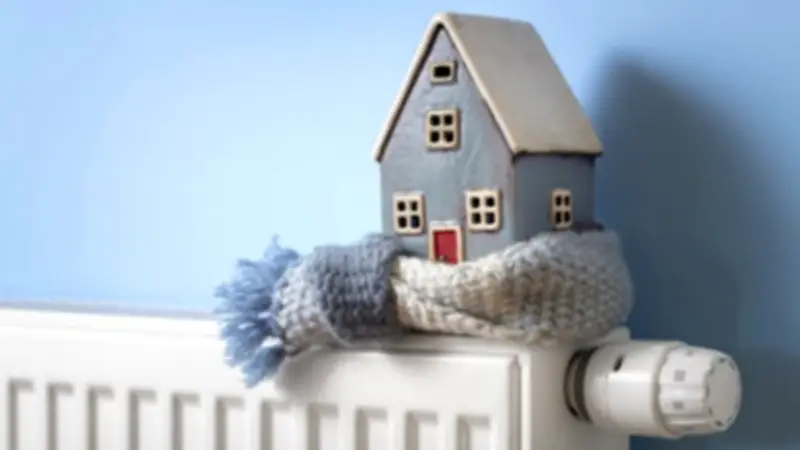
Australian households are under immense financial pressure, with rising energy costs a major factor. While policymakers focus on boosting energy production through renewables like solar, strategies to encourage energy savings have received less attention. House insulation—using materials such as polystyrene and wool in roof cavities or walls—is one of the most practical ways to curb energy demand. Insulation acts like a giant blanket for your home, retaining heat in winter and keeping it cool in summer. It also lowers energy demand on the grid at peak times, making it cheaper to integrate renewable energy. However, Australia’s insulation standards have long lagged behind other countries.
Why Insulation Matters
Insulation limits heat transfer between the inside and outside of a house, ensuring warmth in winter and blocking heat in summer. It reduces the need for heaters and cooling systems, which account for a large share of energy bills. This can also lower exposure to harmful gases like carbon monoxide, nitrogen dioxide, and formaldehyde that gas heaters may release. According to the Climateworks Centre, thermal upgrades—including electrifying heating systems, adding insulation, heavy curtains, shade windows, and gap sealing—can help detached houses save between 1.4 and 4.0 kilowatts at peak periods, a reduction of up to 77%.
How Insulation Relates to Energy
Insulation is an efficient way to reduce energy use at both household and network levels. Well-insulated homes use less energy overall because they stay at a comfortable temperature long after appliances are switched off. Insulation also prevents spikes at peak demand times, such as evenings when people cook dinner or hot summer afternoons when cooling systems are used. Households with effective insulation can install smaller air-conditioner units and batteries, lowering energy costs and making it more affordable to switch to electrical appliances. On a societal level, improving insulation in walls, floors, and ceilings is one of the most effective ways to reduce peak energy demand. Curbing peak demand is increasingly important as Australia faces a surge in electricity demand from data centres, electric vehicles, and electric household appliances. If peak demand is not reined in, we may over-invest in infrastructure to generate and distribute electricity. By limiting unnecessary investment, system costs can be lowered. A recent report found that if an 800-resident Melbourne community electrified their homes—replacing gas appliances with efficient electric induction cooktops—planned gas network upgrades could be avoided, saving about A$3.3 million mainly by avoiding the cost of replacing gas pipes.

How to Fix Insulation Standards
Climateworks’ research shows around three million homes must be updated and electrified to meet national emissions targets, highlighting the need for large-scale retrofit programs, stronger minimum rental standards, and better installation practices. Australia’s insulation standards are improving, particularly for new homes. Under the Nationwide House Energy Rating Scheme, which assesses a house’s heating and cooling needs out of ten stars, new homes must be designed to a seven-star minimum rating, though specific requirements vary between jurisdictions. From July, this scheme expands from new homes to rate established homes under the Home Energy Rating program, providing households with clearer guidance and accredited assessments. State-based programs in Victoria, the Australian Capital Territory, and New South Wales support insulation upgrades. Alongside government initiatives, the Brotherhood of St Laurence’s Climate Safe Homes pilot helped low-income households make their homes more energy efficient by providing tailored advice, financing, and practical assistance.

What You Can Do
If you want to make your home more energy efficient while cutting power costs, here are three practical steps: ask a Home Energy Rating accredited assessor or qualified insulation installer to assess your existing insulation; look out for government rebates or community programs that can help reduce upfront costs; upgrade ceiling insulation by filling gaps, topping up existing layers, or removing old or ineffective insulation; seal gaps around doors, windows, floors, and unused vents to prevent draughts; and if you don’t have wall insulation, consider external blow-in options using a specialised machine to spray insulating materials like cellulose or fibreglass into wall or roof cavities. Insulation is not just a home upgrade—it is essential infrastructure for a low-emissions future, and it might shave some dollars off your next power bill.