Cairns Farming Family Endures Two Floods in Months, Striving to Preserve Crops
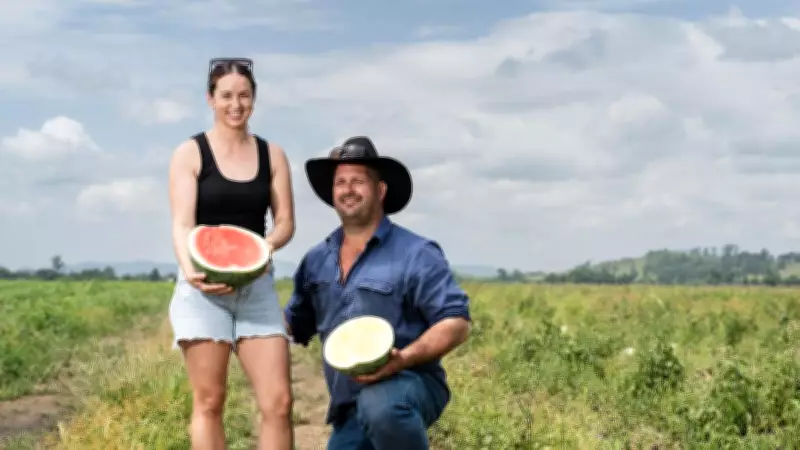
A resilient farming family in the Cairns region is confronting severe adversity after being struck by two devastating floods within a short span of months. This repeated natural disaster has placed immense pressure on their agricultural operations, threatening their ability to continue growing crops and sustain their livelihood. The family's determination to persevere highlights the broader challenges faced by farmers in flood-prone areas of Queensland.
Impact of Consecutive Flood Events on Local Agriculture
The floods have caused significant damage to the family's farmland, eroding soil, destroying crops, and disrupting essential farming infrastructure. Such events not only lead to immediate financial losses but also long-term recovery hurdles, including soil degradation and increased vulnerability to future weather extremes. This situation underscores the urgent need for robust support systems and adaptive strategies in the agricultural sector to mitigate flood impacts.
Community and Industry Response to Farming Crises
In response to the floods, the local community and agricultural industry have rallied to offer assistance, including emergency aid and recovery resources. However, the family's struggle points to a larger issue of climate resilience in farming, with many calling for enhanced government policies and insurance options to protect against such recurrent disasters. Their fight to keep growing serves as a poignant reminder of the resilience required in modern agriculture amidst changing environmental conditions.

Looking ahead, the family remains committed to rebuilding and adapting their practices, hoping to inspire others in similar situations. Their story is a testament to the enduring spirit of Australian farmers, who continue to face natural challenges with courage and innovation. As climate patterns evolve, such experiences may become more common, necessitating greater preparedness and support for the agricultural community nationwide.