Project Overview and Environmental Concerns
A proposed hydropower project at Loch Ness in the Scottish Highlands is facing strong opposition from environmental groups, who warn it will cause irreversible damage to the shoreline and ancient woodland. The project, developed by Norwegian company Statkraft, involves building a 3.5km underground tunnel and a power station on the shores of the famous loch.
Impact on Ancient Woodland
The construction would require clearing part of an ancient woodland, which has existed for centuries and is home to rare species. According to the Woodland Trust, the site is a designated ancient woodland of high conservation value. The trust's spokesperson said, "This development would destroy a significant part of our natural heritage that cannot be replaced."
Damage to Shoreline and Landscape
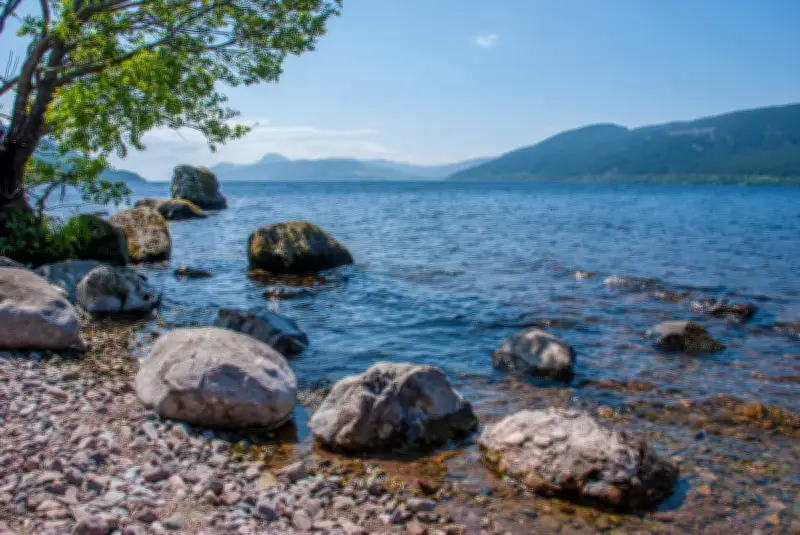
Environmentalists also argue that the project will scar the shoreline, affecting the natural beauty of the area, which is a major tourist attraction. The proposed power station and associated infrastructure would be visible from the loch, altering the landscape. The John Muir Trust has expressed concern, stating that the development is incompatible with the area's status as a National Scenic Area.

Statkraft's Position and Project Details
Statkraft defends the project, claiming it will generate enough renewable energy to power up to 100,000 homes and help Scotland meet its climate targets. The company says it has conducted environmental assessments and will mitigate impacts where possible. However, critics argue that the damage to the environment outweighs the benefits, especially given the availability of alternative renewable energy sites with less ecological sensitivity.
Local and National Opposition
The project has also drawn criticism from local community groups and politicians. A petition against the development has garnered over 10,000 signatures. The Scottish Greens have called for a full environmental impact assessment and a public inquiry before any decision is made. The final decision rests with the Scottish government, which has yet to approve the project.