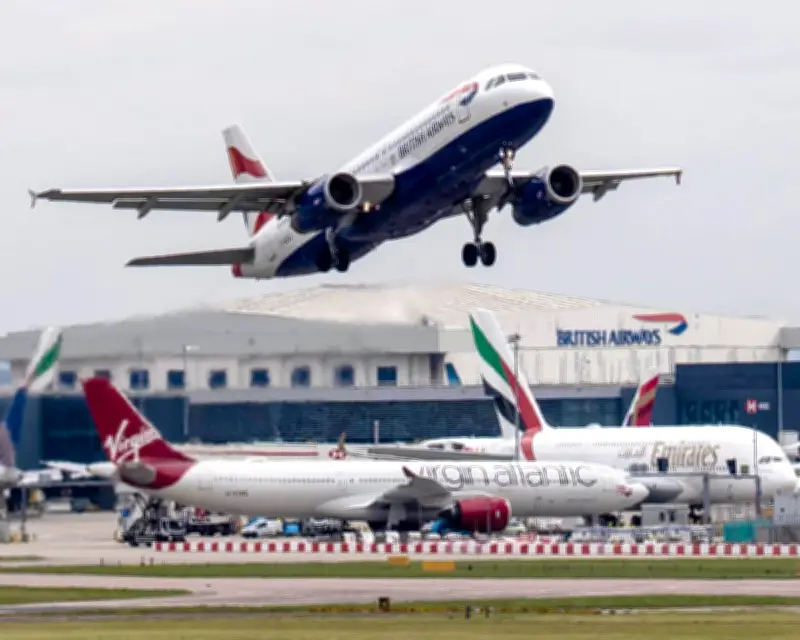
Severe thunderstorms sweeping across southern England on June 27, 2026, caused major disruptions at Gatwick and Heathrow airports, leading to hundreds of flight cancellations and delays that stranded thousands of passengers.
Gatwick Airport Hit Hardest
Gatwick Airport, located south of London, was the worst affected, with more than 150 flights cancelled and many others delayed by several hours. The airport's operator confirmed that lightning strikes and heavy rain forced the temporary suspension of ground operations, including baggage handling and aircraft refuelling. Passengers were advised to check with their airlines before travelling, as the situation remained volatile throughout the day.
Heathrow Also Affected
Heathrow, the UK's busiest airport, also experienced significant disruptions. Around 80 flights were cancelled, and dozens more were delayed, particularly on routes to and from European hubs. A Heathrow spokesperson said, "We are working closely with airlines and air traffic control to minimise inconvenience, but safety remains our top priority."

Weather Warnings and Impact
The Met Office had issued an amber weather warning for thunderstorms across southeast England, predicting up to 50mm of rain in some areas, strong winds, and frequent lightning. The storms caused flash flooding on roads near both airports, further complicating travel for passengers and staff. National Rail services were also affected, with delays on several commuter lines.
Passenger Ordeal
Thousands of passengers faced long waits at terminals, with some reporting they had been stuck for over six hours. Many took to social media to express frustration at the lack of information from airlines. One passenger at Gatwick told the BBC, "We've been told nothing. Our flight was cancelled two hours ago, and we're just sitting here hoping for news." Airlines including British Airways, easyJet, and Ryanair issued statements apologising for the disruption and offering rebooking options.
Broader Travel Chaos
The storms compounded existing travel chaos caused by a combination of air traffic control staff shortages and ongoing industrial action by border force personnel. Industry analysts estimate that the disruptions could cost airlines and airports tens of millions of pounds in compensation and lost revenue.
As of late evening, the storms had moved eastwards, but residual delays were expected to continue into the following day. Passengers were urged to remain patient and check for updates before heading to the airport.