Leadership Changes at Major Indian Airlines Amid Turbulent Times
In a significant development for India's aviation industry, the chief executives of two major carriers, Air India and IndiGo, have stepped down from their positions. This comes as Western Australia continues to advocate for direct flights to India, highlighting the global interest in the region's air travel market.
Air India Faces Multiple Challenges
Air India's chief executive, Campbell Wilson, has resigned from his role with the airline. Wilson, a New Zealand-born former Singapore Airlines executive, was instrumental in bringing the low-cost carrier Scoot to Western Australia and had been expected to remain with Air India until 2027.
The airline is grappling with a series of issues, including financial losses and the aftermath of a tragic crash last year that resulted in 260 fatalities. Additionally, Air India has faced regulatory reprimands over safety failures, adding to its operational pressures.

Since its privatization and acquisition by the Tata Group, Air India has undergone substantial changes. The airline has acquired and merged four other carriers, modernized its systems, and expanded its fleet by adding 100 new aircraft. These efforts aim to revitalize the brand, but the leadership change signals ongoing challenges in the competitive aviation landscape.
IndiGo's Management Shake-Up
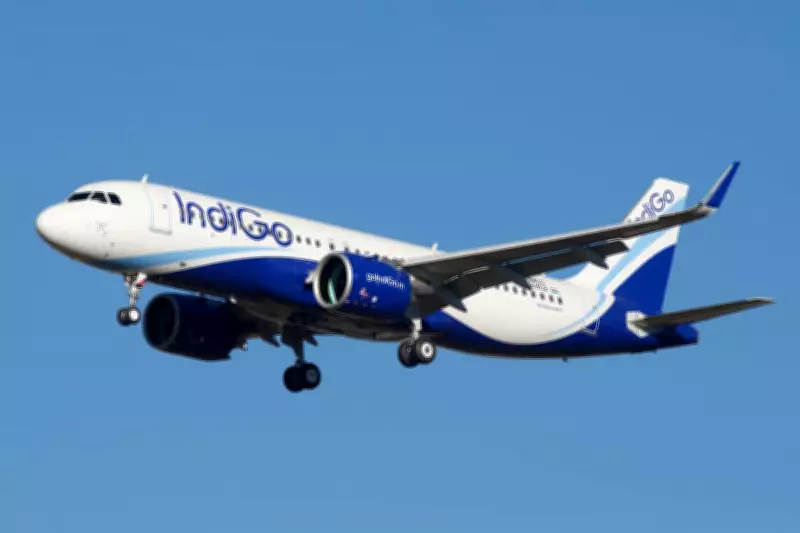
Similarly, Pieter Elbers, the chief executive of IndiGo, India's largest low-cost carrier, has also departed. IndiGo has faced accusations of management inefficiency, along with concerns over near-misses in the air and issues related to crew morale and fatigue. The airline operates a fleet of nearly 400 Airbus A320neo aircraft, underscoring its significant presence in the market.
Following Elbers' resignation, Rahul Bhatia, the managing director of IndiGo, has assumed a more active role in managing the airline's affairs. Bhatia, who founded and nurtured IndiGo for 22 years, expressed a deep sense of personal commitment to the airline's stakeholders.
In a statement, Bhatia emphasized his focus on strengthening the company's culture, reinforcing operational excellence, and deepening its commitment to delivering exceptional service. He highlighted priorities such as care, reliability, and professionalism for customers.
Vikram Singh Mehta, chairman of the board, commented on the transition, noting that Bhatia's return is aimed at bolstering the airline's strategic focus on serving India with a professionally managed and globally respected operation.
Implications for the Aviation Sector
These leadership changes occur against a backdrop of broader challenges in India's aviation industry, including safety concerns, financial strains, and the ongoing demand for improved connectivity, such as direct flights from regions like Western Australia. The resignations may signal a period of restructuring and renewed efforts to address operational and cultural issues within both airlines.
As the industry navigates these turbulent times, stakeholders will be watching closely to see how Air India and IndiGo adapt under new leadership to meet the evolving demands of the market and enhance their global standing.