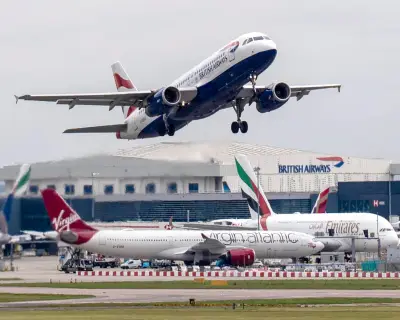
Fuel supply experts have cast doubt on the immediate impact of the two-week ceasefire in the Iran conflict on fuel prices, despite a temporary drop in crude oil prices following the announcement. The price of crude oil fell shortly after US President Donald Trump declared a halt in hostilities, but uncertainty remains over the situation in the Strait of Hormuz.
Federal Energy Minister Chris Bowen has urged Australians not to rush to conclusions. "We've seen progress this morning. I think you'd call it progress. That's a good thing, but there's a long way to go," he said. Last week, the federal government halved the fuel excise for three months to provide relief, and Bowen confirmed there are no plans to shorten that period.
Maritime expert Salvatore Mercogliano from Campbell University noted that no ships have yet begun moving toward the Strait of Hormuz. "If this is a valid agreement and they can get movement, I expect to see a large exodus," he said. However, he warned that while vessels may leave the area, the return of traffic could be limited given the short ceasefire window.

Professor Hussein Dia from Swinburne University explained that any relief at the petrol pump would be gradual. "It takes around three to four weeks for a ship to arrive from the Gulf to Australia, and retail prices lag behind global oil prices. Much of the current fuel was purchased at higher prices," he said. The global price of crude oil dropped about 15 per cent after the ceasefire announcement.
Meanwhile, the number of petrol stations without diesel has fallen to around 3 per cent, mostly in New South Wales, where suppliers are prioritizing farmers during sowing season. Prime Minister Anthony Albanese is set to meet with Singapore's leader to secure fuel imports. At a local level, several states have reduced public transport fares to encourage less car use, with Tasmania reporting over 5,000 extra passengers on its first day of free public transport.