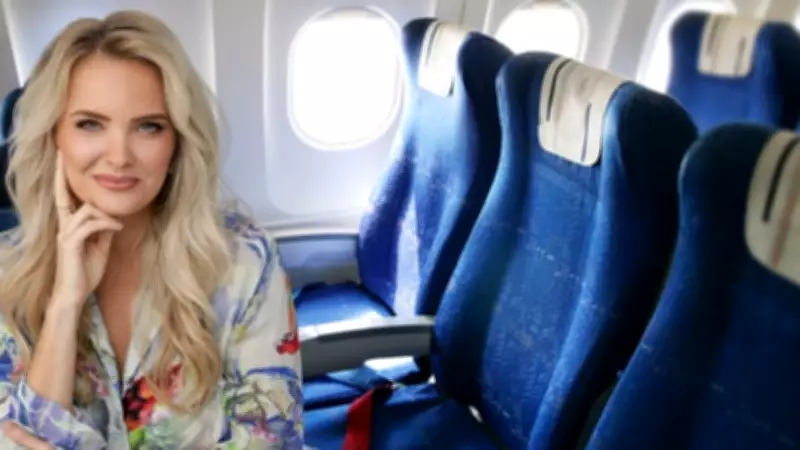
Airplane Seat Reclining Etiquette: Why It's Not Rude to Lean Back
In the often cramped confines of an airplane cabin, the simple act of reclining your seat can spark heated debates among travelers. A recent opinion piece has reignited this discussion, arguing that it is not rude to lean back during a flight. This perspective challenges common complaints and sheds light on the etiquette and practicalities of air travel.
The Design and Purpose of Reclining Seats
Airplane seats are intentionally designed with a recline function to enhance passenger comfort on long journeys. This feature allows travelers to adjust their position, reducing fatigue and promoting relaxation during flights. The ability to recline is a standard amenity provided by airlines, and passengers have the right to use it as intended. Critics who label reclining as impolite often overlook this fundamental aspect of seat design.
Moreover, the recline mechanism is engineered to move within a limited range, typically a few inches, to minimize impact on the person behind. While it may feel intrusive to some, the actual space reduction is minimal and part of the shared experience of flying. Airlines balance comfort with space efficiency, and reclining is a compromise that benefits many passengers.

Passenger Rights and Shared Spaces
When you purchase an airplane ticket, you are entitled to use all the features of your seat, including the recline function. This right is embedded in the terms of service and reflects the airline's acknowledgment of passenger needs. In shared spaces like airplanes, etiquette involves mutual respect, but it also requires acceptance of standard practices. Reclining is one such practice, and expecting others to forgo it can be seen as imposing personal preferences on fellow travelers.
However, good etiquette suggests being considerate. For instance, reclining slowly and checking with the person behind during meal times or if they are using a laptop can foster a more pleasant environment. The debate often stems from a lack of communication, and a polite approach can mitigate conflicts without sacrificing comfort.
The Broader Context of Air Travel Comfort
The issue of seat reclining ties into larger discussions about airline policies and passenger comfort. As flights become more crowded and legroom shrinks, tensions over space are inevitable. Yet, focusing on reclining as the primary culprit may distract from broader industry challenges, such as seat pitch and cabin layout. Advocates for the "not rude" stance emphasize that reclining is a minor adjustment in a system where comfort is increasingly compromised.
Ultimately, the etiquette of reclining seats is subjective and varies by culture and individual perspective. While some view it as a necessary comfort, others see it as an intrusion. Understanding both sides can lead to more empathetic travel experiences, where passengers navigate shared spaces with courtesy and awareness.