Cairns Airport Investigates Solutions to Prevent Metallic Starling Deaths
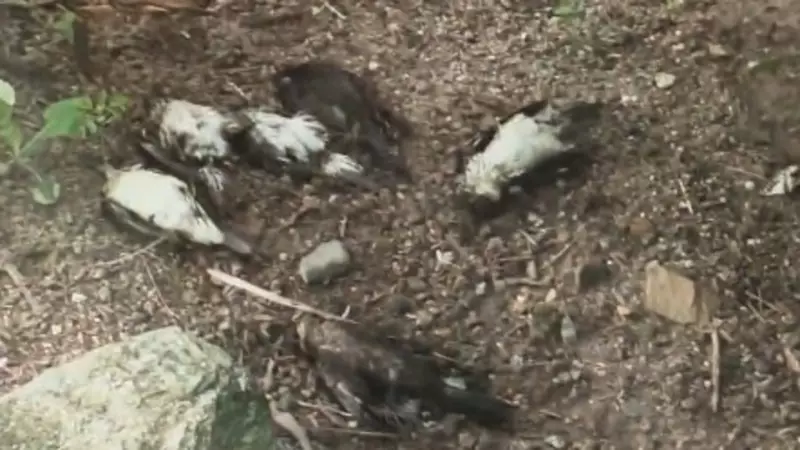
Cairns Airport in Far North Queensland is actively investigating and developing solutions to address the concerning issue of metallic starling deaths on its premises. This native bird species, known for its iridescent plumage and social behaviour, has been involved in collisions with aircraft and airport infrastructure, prompting urgent action from airport authorities.
Understanding the Problem
The metallic starling, scientifically classified as Aplonis metallica, is a common sight in tropical regions of Australia, including Cairns. These birds often form large flocks, which can pose significant risks in aviation environments. Airport officials have reported incidents where starlings collide with planes during takeoff or landing, as well as with buildings and other structures within the airport complex. Such collisions not only threaten bird populations but also raise serious safety concerns for aviation operations.
Current Investigation Efforts
Cairns Airport has launched a comprehensive investigation to identify the root causes of these incidents and explore effective mitigation strategies. This includes:

- Monitoring Bird Activity: Using advanced tracking and surveillance technologies to study the movement patterns of metallic starlings around the airport.
- Assessing Infrastructure: Reviewing airport buildings and runways to identify potential hazard zones where collisions are more likely to occur.
- Consulting Experts: Engaging with wildlife biologists, conservationists, and aviation safety specialists to develop evidence-based solutions.
Potential Solutions Under Consideration
As part of its investigation, Cairns Airport is evaluating a range of potential solutions to reduce starling fatalities. These may involve:
- Habitat Modification: Altering the landscape around the airport to make it less attractive to starlings, such as by removing food sources or nesting sites.
- Technological Interventions: Implementing bird deterrent systems, like acoustic devices or visual scare tactics, to keep starlings away from high-risk areas.
- Operational Changes: Adjusting flight schedules or runway usage during peak bird activity times to minimise encounters.
- Community Engagement: Working with local environmental groups and residents to promote coexistence and raise awareness about the issue.
Broader Implications for Aviation and Conservation
This initiative highlights the ongoing challenge of balancing aviation safety with wildlife conservation in Australia. Metallic starling deaths are not just a local concern for Cairns; they reflect wider issues faced by airports in biodiverse regions. By addressing this problem, Cairns Airport aims to set a precedent for sustainable practices that protect both native species and human activities. The outcomes of this investigation could inform similar efforts across the country, contributing to safer skies and healthier ecosystems.
In summary, Cairns Airport's proactive approach to investigating metallic starling deaths demonstrates a commitment to environmental stewardship and operational safety. As the investigation progresses, stakeholders will be closely watching for innovative solutions that can mitigate risks while preserving Queensland's unique wildlife.