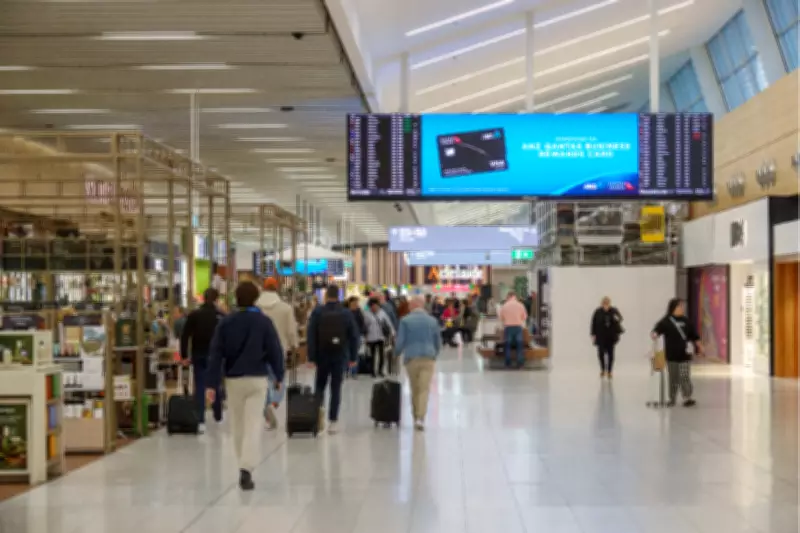
Middle East War Disrupts South Australia's Tourism Sector with 50 Flight Cancellations
The ongoing conflict in the Middle East has delivered a significant blow to South Australia's tourism industry, with a staggering 50 flights cancelled over the past three weeks. This disruption is causing widespread concern among local businesses and travellers, as the region grapples with the economic fallout from reduced international connectivity.
Impact on Aviation and Travel Plans
According to recent reports, the cancellations have primarily affected routes connecting South Australia to key destinations in the Middle East and Europe. Airlines have cited security concerns and operational challenges stemming from the war, leading to a sharp decline in available seats and increased uncertainty for passengers. Many travellers have faced last-minute changes, with some forced to cancel or postpone their trips entirely, resulting in financial losses and logistical headaches.
Economic Consequences for Local Tourism
The ripple effects are being felt across South Australia's tourism-dependent economy. Hotels, restaurants, and attractions are reporting a noticeable drop in bookings, as the reduced flight capacity deters both international visitors and domestic tourists who rely on these connections. Industry experts warn that if the situation persists, it could lead to:

- Job losses in the hospitality and service sectors
- Decreased revenue for small businesses
- A long-term decline in tourism investment
Local authorities are urging the federal government to provide support, such as financial aid or alternative travel arrangements, to mitigate the impact.
Broader Implications for Australia's Travel Industry
This incident highlights the vulnerability of Australia's tourism sector to global geopolitical events. The Middle East conflict is not only disrupting flights but also eroding consumer confidence in international travel, with potential spillover effects on other states. Analysts note that similar patterns have emerged in past conflicts, underscoring the need for robust contingency planning in the aviation industry.
In response, some airlines are exploring rerouting options or increasing capacity on alternative routes, though these measures may not fully compensate for the lost traffic. The situation remains fluid, with stakeholders closely monitoring developments in the Middle East for signs of resolution.
Looking Ahead: Challenges and Opportunities
As South Australia navigates this crisis, there is a growing call for diversification in tourism markets to reduce reliance on volatile regions. Initiatives to promote domestic tourism and attract visitors from more stable areas are gaining traction. However, the immediate focus remains on managing the fallout from the flight cancellations and supporting affected businesses and travellers.
The coming weeks will be critical in determining the long-term impact on the state's economy, with industry leaders advocating for swift action to restore stability and confidence in the travel sector.