Oil prices surged more than 4% on Wednesday after the United States launched fresh airstrikes on Iranian military targets and moved to reimpose sanctions on Tehran, escalating tensions in the Middle East and stoking fears of supply disruptions from one of the world’s key oil-producing regions.
Price Jump and Market Reaction
Brent crude futures rose $3.42, or 4.2%, to $84.77 a barrel by midday in London, while US West Texas Intermediate (WTI) crude gained $3.28, or 4.1%, to $80.95 a barrel. The sharp increase reversed recent losses and pushed prices to their highest level in over a month.
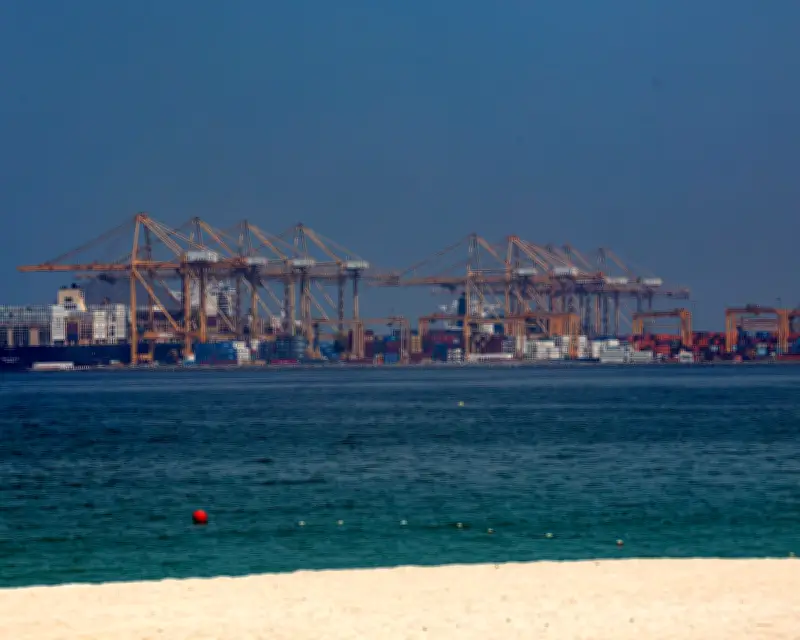
“The market is pricing in a significant risk premium given the potential for a broader conflict that could choke off supply from the Strait of Hormuz,” said Helima Croft, global head of commodity strategy at RBC Capital Markets. According to analysts, approximately 20% of the world’s oil passes through the Strait of Hormuz, a chokepoint between Iran and Oman.

US Strikes and Sanctions Details
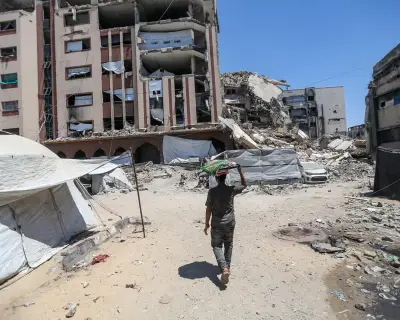
The Pentagon confirmed early Wednesday that US forces conducted “precision strikes” against several Iranian Revolutionary Guard Corps (IRGC) facilities in Syria and Iraq in retaliation for recent attacks on US personnel. Hours later, the White House announced the reinstatement of “maximum pressure” sanctions on Iran, including measures targeting its oil exports, banking sector, and petrochemical industry.
“These sanctions will cut off the financial lifelines that the Iranian regime uses to fund its destabilizing activities,” a senior administration official said, speaking on condition of anonymity. The official added that the US would aggressively enforce the sanctions to reduce Iran’s oil exports to zero, a policy reminiscent of the Trump administration’s approach.
Supply Disruption Fears
Iran is a major oil producer, pumping about 3.5 million barrels per day (bpd) in June, according to data from the International Energy Agency (IEA). The return of US sanctions could remove up to 1.5 million bpd from global markets, analysts estimate. Combined with ongoing production cuts by OPEC+ led by Saudi Arabia and Russia, the loss of Iranian supply could tighten markets significantly.
“The timing is particularly worrying because spare capacity is already low, and the global economy is still grappling with high inflation,” said Vandana Hari, founder of oil market analysis firm Vanda Insights. The IEA has warned that the world faces a “supply crunch” later this year if additional volumes do not come to market.
Broader Market Impact
The oil price spike weighed on Asian and European equity markets, with the STOXX 600 index in Europe falling 0.6% and Japan’s Nikkei 225 dropping 1.2%. Investors sought safe-haven assets, pushing gold prices up 0.8% to $1,958 an ounce and the US dollar index higher against a basket of currencies.
Meanwhile, the US Federal Reserve released the minutes from its June policy meeting, which showed officials were divided on the need for further interest rate hikes amid persistent inflation. The minutes noted that “almost all participants” viewed additional rate increases as appropriate but that the timing would depend on incoming data. The combination of higher oil prices and potential rate hikes could dampen economic growth prospects, analysts said.
Geopolitical Risks and Outlook
The escalation between the US and Iran marks a sharp reversal from diplomatic efforts earlier this year, when the two sides held indirect talks on a potential nuclear deal. The breakdown of negotiations has now given way to renewed confrontation, with Iran warning it could block the Strait of Hormuz if its oil exports are halted.
“We are entering a dangerous phase,” said Richard Bronze, head of geopolitics at Energy Aspects. “Any disruption to shipping through the Strait would be catastrophic for global oil markets, and we are not seeing any signs of de-escalation.”
Oil traders are now closely watching for any retaliation from Iran, which could include attacks on Saudi or US facilities in the region. The Pentagon has ordered an additional carrier strike group to the Persian Gulf as a deterrent, raising the risk of accidental engagement.

In the options market, traders are paying the highest premium in months for out-of-the-money call options that would benefit from a spike in oil prices above $100 a barrel, indicating expectations of further volatility ahead.