
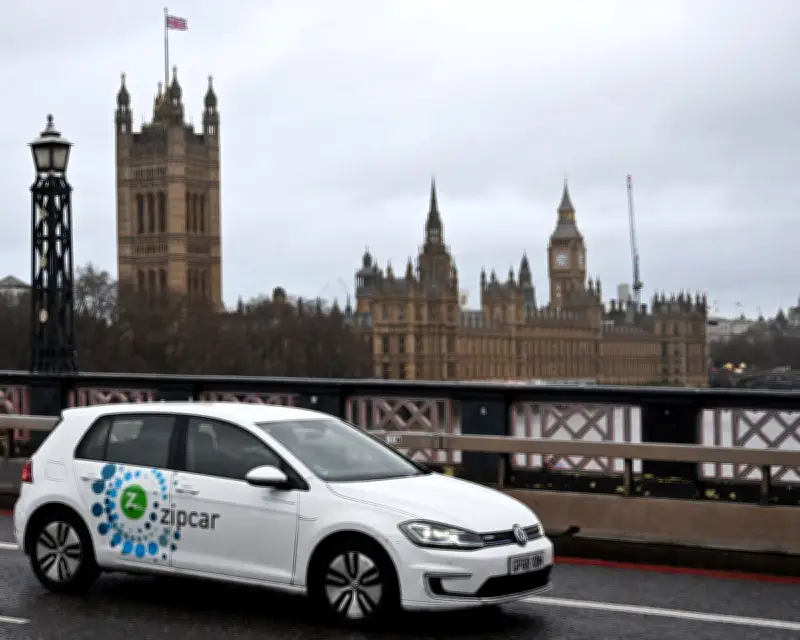
Zipcar has abruptly withdrawn its vehicles from London car clubs, effective immediately, leaving thousands of members stranded and sparking debate about the future of car-sharing in the capital.
Sudden Withdrawal Leaves Members in the Lurch
The decision, announced late Thursday, saw all Zipcar-branded cars removed from on-street parking bays and dedicated hubs across London. Members received an email stating that the company had "made the difficult decision to exit the London market." The move affects an estimated 15,000 active users who relied on the service for short-term rentals.
According to a Zipcar spokesperson, the exit was driven by "changing market conditions and operational challenges." The company cited rising insurance costs, congestion charges, and increased competition from other mobility providers as key factors. "This was not a decision we took lightly, but it is necessary for the long-term health of our business," the spokesperson added.

Impact on London's Car Club Network
Zipcar's departure leaves a significant gap in London's car club network, which includes operators like Enterprise Car Club and Co Wheels. The company operated roughly 200 vehicles in the city, accounting for about 10% of the total car club fleet. Transport for London (TfL) expressed disappointment, noting that car clubs help reduce private car ownership and congestion. A TfL representative said, "We are concerned about the impact on members and will work with remaining operators to ensure continuity of service."
Members like Sarah Jenkins, a 34-year-old marketing manager from Islington, described the news as "devastating." She told The Guardian, "I sold my car two years ago specifically because Zipcar was so convenient. Now I'm left without a viable alternative for weekend trips or big grocery runs."
Broader Trends in Car Sharing
Zipcar's exit is part of a wider trend in the car-sharing industry, which has faced headwinds since the pandemic. Several US and European cities have seen operators scale back or shut down entirely. In London, the market has become increasingly crowded with app-based services like Uber Rent and Getaround, but traditional station-based car clubs have struggled to maintain profitability.
Industry analyst Mark Thompson of Transport Intelligence noted that "the economics of car sharing are challenging in dense urban areas where public transport is strong and parking is expensive." He added that "Zipcar's departure may prompt other operators to reassess their London operations."
What Happens Next for Members
Zipcar has said it will refund any outstanding membership fees and pre-paid driving credits within 30 days. However, members who had bookings for the coming weeks have been left scrambling. The company advised them to seek alternative transport, including other car clubs, public transport, or ride-hailing services.
Enterprise Car Club, one of Zipcar's main rivals, said it was "monitoring the situation" and would consider expanding its fleet in areas where Zipcar had a strong presence. A spokesperson for Co Wheels urged affected members to sign up, offering a discounted joining fee for former Zipcar customers.
The London Assembly's transport committee has called for a review of the car club sector to ensure resilience. Committee chair Caroline Russell said, "We cannot afford to lose such a valuable part of our transport mix. We need to understand what went wrong and how to prevent it from happening again."