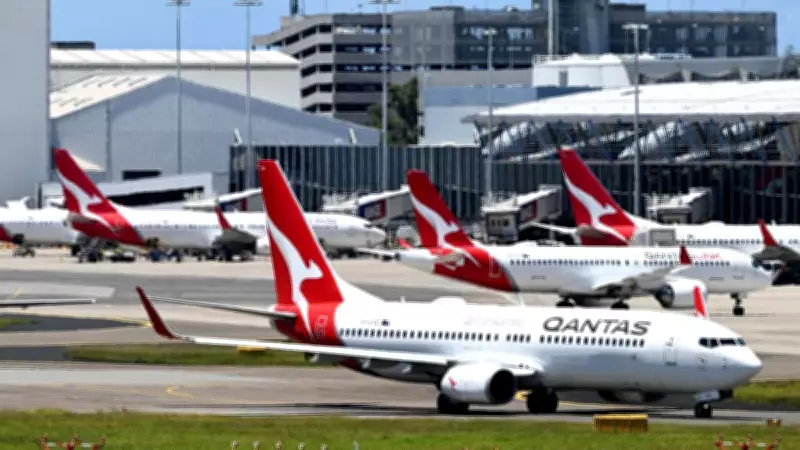
Qantas and its budget subsidiary Jetstar have announced an extension of their domestic capacity reductions, citing persistently high fuel prices exacerbated by ongoing instability in the Middle East. The decision comes as airlines worldwide grapple with soaring operational costs, leading to reduced flight schedules and higher fares for passengers.
Extended Capacity Cuts
The airlines initially reduced domestic capacity in response to rising fuel costs, but the extension indicates that the situation has not improved. Qantas and Jetstar will continue to operate fewer flights than originally planned, affecting routes across Australia. The move is aimed at managing costs and maintaining profitability in a challenging economic environment.
Impact on Passengers
Travelers can expect limited flight options and potentially higher ticket prices as the airlines adjust their schedules. The capacity cuts may lead to fewer last-minute seat availability and increased demand for remaining seats. Passengers are advised to book early and consider flexible travel plans to mitigate disruptions.

Fuel Price Pressures
The ongoing conflict in the Middle East has kept global oil prices elevated, directly impacting jet fuel costs. Airlines have been forced to pass some of these costs onto consumers, but Qantas and Jetstar are also absorbing a portion through capacity management. The extension of cuts suggests that fuel prices are expected to remain high in the near term.
Industry-Wide Trend
Other Australian carriers may also follow suit as fuel costs continue to strain the aviation sector. The capacity reductions are part of a broader trend where airlines are optimizing networks to focus on profitable routes while cutting back on less viable ones.
Qantas and Jetstar have not provided a specific end date for the extended cuts, indicating that the situation remains fluid. They continue to monitor fuel price movements and geopolitical developments, adjusting capacity as necessary.