FuelWatch Typo Forces Perth Station to Sell Diesel at Inflated Price
A Cannington service station has been compelled to advertise its diesel as the most expensive in Western Australia after government officials declined to rectify a minor typographical error on the FuelWatch platform. The incident highlights bureaucratic rigidity in the state's fuel pricing system, sparking criticism from business owners and political figures alike.
Pricing Error and Failed Correction Attempt
On Monday, Burk Fuel inadvertently entered its diesel price as $3.973 per litre instead of the intended $2.973 per litre for the following day. The business discovered the mistake later and contacted the relevant department to request a correction. However, officials refused because the submission was past the 2pm deadline established by FuelWatch rules.
"Despite this being an obvious mistake, FuelWatch has strictly refused to allow any correction and have clearly told us to sell diesel at the advertised error price," Burk Fuel stated. The company expressed frustration, noting the lack of discretion left it with two unsatisfactory options: sell diesel at an extremely inflated price or shut down diesel sales entirely for the day.

Workaround and Consumer Impact
To mitigate the error, Burk Cannington implemented a workaround by offering diesel customers a discount of $1.04 at the checkout. This allowed the station to sell fuel at the intended price while technically complying with FuelWatch regulations. Meanwhile, the outlet's unleaded petrol remains the cheapest in Perth today, priced at $229.3 per litre.
A Consumer Protection spokesperson explained that the law prevents alterations to FuelWatch's 24-hour price lock once set. Retailers can lodge prices for the next day starting at 8.30am, with corrections permitted only until 2pm when the system finalises prices. The spokesperson praised Burk Cannington for offering post-sale refunds as a temporary solution until the correct price could be submitted.
Political Reactions and Calls for Common Sense
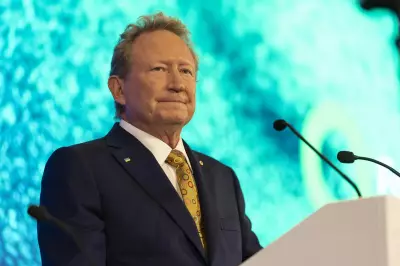
Deputy Premier Rita Saffioti acknowledged the unfortunate situation, stating that certain rules govern FuelWatch and expressing sympathy for the retailer. She indicated the case might be reviewed by the Minister for Commerce. Opposition Leader Basil Zempilas was more critical, arguing that "common sense should have prevailed."
"This was clearly an operator error, and the system should allow simple corrections when mistakes happen," Zempilas said. "Instead, we're seeing bureaucratic nonsense that helps no one — not small business operators and not motorists already dealing with rising fuel costs." He described the refusal to correct an obvious error as petty and counterproductive, harming both businesses and customers during a fuel crisis.
Broader Implications for Fuel Retailers
The incident underscores the challenges faced by fuel retailers under rigid regulatory frameworks. While FuelWatch aims to provide transparency and stability in fuel pricing, this case reveals potential flaws in its flexibility and responsiveness to genuine errors. Businesses are left navigating bureaucratic hurdles that can impact their operations and customer relations.
As fuel prices continue to be a sensitive issue for consumers and retailers, this typo debate may prompt calls for system reforms to accommodate human errors without compromising regulatory integrity. The balance between strict adherence to rules and practical discretion remains a key point of contention in managing WA's fuel market.