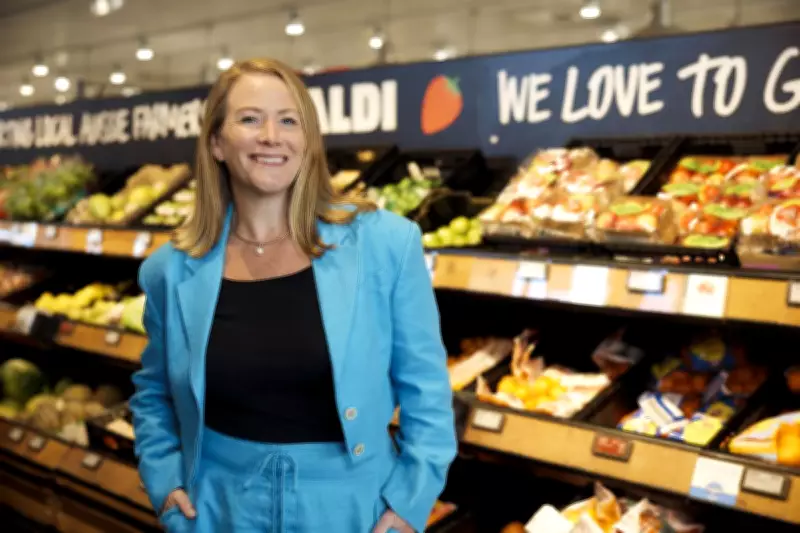
Aldi Australia has reported a significant decline in profitability for 2025, with profit dropping approximately 20 per cent to $337.4 million, as the German discount retailer faces a renewed supermarket price war and shifting consumer preferences.
Sales Growth Slows Amid Competitive Pressures
According to accounts filed with the Australian Securities and Investments Commission, Aldi's sales growth slowed to just under 5 per cent, reaching $13.94 billion last year. This marks a notable deceleration from the 10 per cent growth recorded in 2024. The slowdown comes as Coles and Woolworths have aggressively lowered prices to close the gap with Aldi, eroding the discounter's competitive edge.
Chief executive Anna McGrath acknowledged the challenges but reaffirmed Aldi's commitment to its value proposition. “We will not be beaten on the cost of the weekly shop, and with a 16.8 per cent price gap we support Australian families to put food on the table for less,” she stated. McGrath also highlighted a $2.5 billion investment in new infrastructure to strengthen supply chains and expand the store network.

Profit Decline Driven by Rising Costs
The profit decline was primarily attributed to soaring wages and higher inventory costs. Despite the downturn, Aldi remains confident in its customer value proposition and continues to focus on delivering its price promise. The retailer, which entered Australia in 2001, now operates just over 600 stores nationally, including 54 in Western Australia, capturing approximately 9 per cent of national supermarket grocery sales.
In contrast, Coles and Woolworths together hold about 67 per cent of the market, according to the Australian Competition and Consumer Commission. Aldi is best known for its own-branded groceries and its popular “middle aisle”, which features a rotating selection of bargain items such as electronics, clothing, tools, and homewares.
Renewed Price War Among Major Supermarkets
Recent analysis by JPMorgan indicates a renewed price war among the big three supermarkets. As of last October, Woolworths’ shelf prices were approximately 7.5 per cent higher than Aldi’s, while Coles prices were 7.6 per cent higher. This narrowing price gap has put pressure on Aldi’s sales growth and profitability.
Aldi is privately owned by the Albrecht family, which received $400 million in dividends last year. The financial results come ahead of Coles and Woolworths reporting this week, with both supermarket giants under scrutiny to reveal how they are responding to price hike requests from suppliers amid the fuel crisis.
Regulatory Scrutiny and Consumer Watchdog Findings
Coles and Woolworths have faced increased regulatory scrutiny and have been forced to front multiple government inquiries into allegations of profiteering. Last year, the consumer watchdog found that Coles and Woolworths were among the most profitable supermarkets globally, with margins increasing over the past five financial years. However, it found little evidence of price gouging, confirming that Australia’s supermarket sector is highly concentrated with an oligopoly structure dominated by the two grocers.
Woolworths is currently defending itself in a blockbuster court case brought by the watchdog, which alleges that it and Coles misled consumers by advertising discounts on products that were marked higher than their original shelf price. Coles presented its defence against the allegations in February.
Outlook: Consumer Demand Shifts
With the Reserve Bank of Australia expected to increase interest rates next week, further dampening consumer demand, UBS analysts predict supermarkets will emerge as winners from the shift towards cheaper products and away from dining out. Shaun Cousins of UBS expects consumers to trade down to promotions and private label brands, shop more with discount retailers like Aldi, and favour larger-format supermarkets where trips can be consolidated.