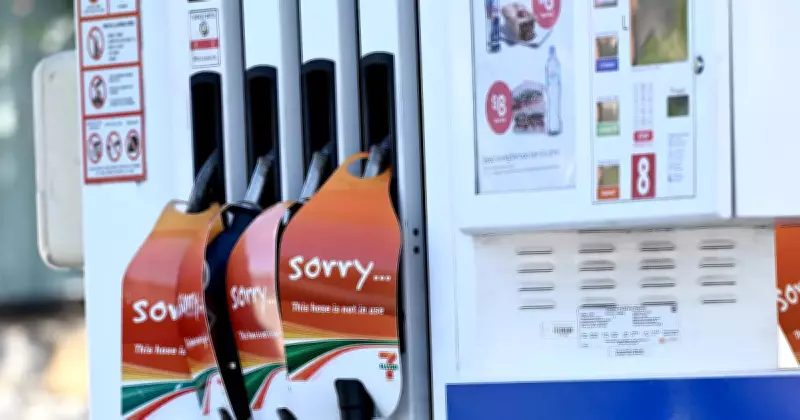
Australian Government's Fuel Excise Cut to Cost Budget $2.55 Billion
The Australian government's decision to implement a temporary cut to the fuel excise is set to have a significant financial impact, with projections indicating a cost of $2.55 billion to the federal budget. This move, aimed at providing relief to consumers amid rising fuel prices, has been detailed in recent budget documents and financial statements.
Budget Impact and Financial Details
The $2.55 billion figure represents the estimated reduction in revenue resulting from the excise cut over its duration. This substantial amount underscores the scale of the government's intervention in the fuel market, which was introduced as a measure to ease the burden on households and businesses facing escalating costs at the pump.
According to the disclosed information, the excise cut is part of broader economic strategies to address inflationary pressures and support economic stability. The budget hit reflects the trade-offs involved in such fiscal policies, balancing immediate consumer relief against long-term revenue considerations.

Context and Implications
The fuel excise cut was announced as a temporary measure, with the government highlighting its role in mitigating the effects of global oil price fluctuations and domestic economic challenges. The $2.55 billion cost is a key component of the budget's expenditure forecasts, influencing overall fiscal planning and deficit projections.
This development comes amid ongoing debates about the effectiveness of such tax cuts in providing sustained relief and their impact on government finances. Critics have raised concerns about the potential for increased budget deficits, while supporters argue that the measure is necessary to support vulnerable Australians during economic uncertainty.
The financial disclosure also sheds light on the broader economic environment, including factors like supply chain disruptions and international market trends that have contributed to fuel price increases. The government's response, as quantified by the $2.55 billion budget hit, is seen as a direct attempt to cushion these external pressures.
Future Outlook and Policy Considerations
As the excise cut continues, monitoring its effects on consumer behavior and government revenue will be crucial. The $2.55 billion cost may prompt discussions about alternative approaches to fuel affordability, such as investments in renewable energy or infrastructure improvements.
In summary, the Australian government's fuel excise cut is projected to result in a $2.55 billion budget impact, highlighting the significant financial implications of this policy. This move reflects ongoing efforts to balance economic support with fiscal responsibility in a challenging global landscape.