Inflation as a Backdoor Tax: A Growing Concern in Economic Policy
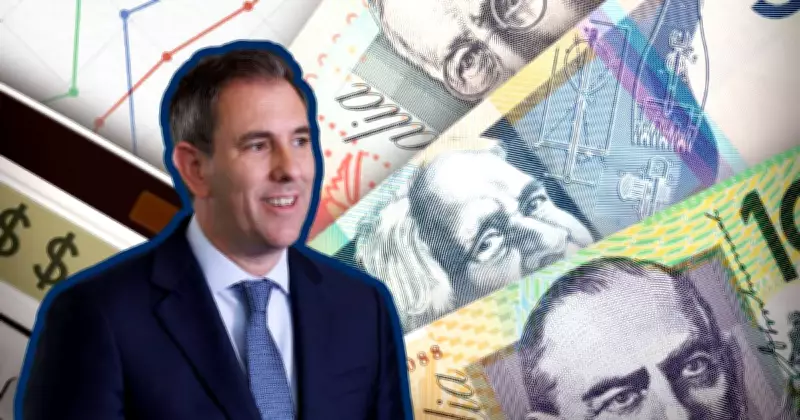
In recent economic discussions, a troubling trend has emerged where inflation is being subtly leveraged as a backdoor tax, raising significant concerns among policymakers and financial analysts. This practice, which involves allowing inflation to erode the real value of money, effectively imposes a hidden burden on consumers and savers without the transparency of traditional taxation methods.
The Mechanics of Inflation as a Covert Fiscal Tool
At its core, using inflation as a backdoor tax works by reducing the purchasing power of currency over time. When governments or central banks permit higher inflation rates, the cost of goods and services increases, diminishing the value of money held by individuals and businesses. This indirect approach can help reduce public debt in real terms, as the nominal value of debt remains unchanged while its real burden decreases. However, this strategy disproportionately affects fixed-income earners, retirees on pensions, and those with savings in low-interest accounts, who see their financial security undermined without direct legislative action.
Historical precedents show that many nations have flirted with this tactic during periods of economic stress, such as after wars or financial crises. For instance, in the post-World War II era, some countries used moderate inflation to manage reconstruction costs, but this often led to long-term instability and public distrust. Today, with global economies facing challenges like supply chain disruptions and energy price spikes, there is a renewed risk of inflation being exploited as a fiscal shortcut, masking deeper structural issues in public finance.

Ethical and Practical Implications for Households
The ethical dimension of using inflation as a backdoor tax cannot be overstated. Unlike explicit taxes, which are debated and legislated openly, inflation operates in the shadows, making it difficult for citizens to hold authorities accountable. This lack of transparency erodes trust in economic institutions and can lead to social unrest, as seen in historical episodes where hyperinflation sparked widespread protests. Moreover, inflation hits vulnerable populations hardest, including low-income families who spend a larger share of their income on essentials like food and housing, exacerbating inequality.
From a practical standpoint, households are grappling with the direct impacts. Rising prices for groceries, utilities, and fuel squeeze budgets, forcing many to cut back on discretionary spending or dip into savings. For example, a family might find their weekly grocery bill increasing by 10% over a year, effectively acting as an unannounced tax on their consumption. This stealthy financial pressure can stifle economic growth by reducing consumer confidence and spending, creating a vicious cycle where lower demand further complicates recovery efforts.
Policy Responses and Future Outlook
To address this issue, experts advocate for more transparent fiscal policies that avoid reliance on inflationary measures. Central banks should prioritize price stability through independent monetary policies, while governments need to focus on sustainable debt management and targeted taxation reforms. Public education on inflation's effects is also crucial, empowering citizens to make informed financial decisions and demand accountability from leaders.
Looking ahead, the global economic landscape suggests that vigilance is necessary. With ongoing geopolitical tensions and climate-related disruptions, inflation risks remain elevated, increasing the temptation to use it as a backdoor tax. By fostering open dialogue and implementing robust safeguards, societies can work towards a fairer economic system that protects against such covert fiscal practices, ensuring that inflation serves as a measure of economic health rather than a hidden burden on the populace.