WA Fuel Crisis Sparks Warnings of Widespread Business Disruption
Industry leaders in Western Australia have issued a stark warning that virtually every business across the state is facing significant flow-on effects from an escalating fuel crisis. As service stations run dry, the situation threatens to disrupt supply chains, increase operational costs, and undermine economic stability in the region.
Immediate Impact on Service Stations and Supply Chains
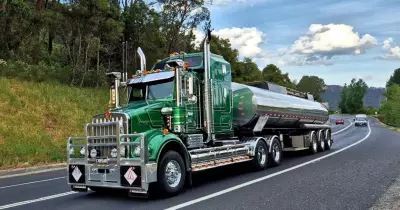
The crisis has led to widespread fuel shortages at service stations, with many reporting empty tanks and limited supplies. This has forced businesses to grapple with delayed deliveries, reduced transportation capacity, and heightened uncertainty. Industry experts emphasize that the ripple effects extend beyond just the transport sector, affecting retail, manufacturing, and agriculture as well.
Economic Consequences and Industry Concerns
Key industry figures have highlighted the potential for increased costs and operational challenges. They warn that if the fuel crisis persists, it could lead to price hikes for goods and services, reduced productivity, and even job losses in vulnerable sectors. The situation is particularly concerning for small businesses, which may lack the resources to absorb such shocks.

Beyond immediate disruptions, there are fears that the fuel crisis could have lasting impacts on Western Australia's economic landscape. Leaders are calling for urgent action to address supply issues and prevent further escalation. They stress the need for coordinated efforts between government, industry, and fuel providers to restore stability and mitigate risks to businesses statewide.