West Australians Face Financial Strain Amid Global Conflict
New figures have starkly exposed the deepening cost-of-living crisis in Western Australia, with a dramatic 44 per cent increase in residents turning to welfare agencies for assistance. The data, provided by the Financial Wellbeing Collective to The Sunday Times, highlights the severe impact of international tensions on local households.
Surge in Emergency Relief Requests
In March 2026, following the outbreak of war between the US/Israel and Iran, the Financial Wellbeing Collective received 4,808 calls for emergency relief. This represents a significant 43.7 per cent rise compared to the same month in the previous year. Despite this overwhelming demand, the organisation was only able to assist 1,758 struggling West Australians, leaving many without support.
Fuel Price Crisis Exacerbates Hardship
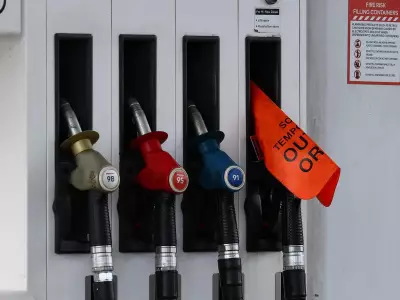
The conflict has severely disrupted oil markets, leading to skyrocketing fuel prices across Western Australia. In March, petrol costs soared, prompting the Federal Government to intervene by halving the fuel excise. However, this measure provided limited relief, with diesel prices remaining above $3 per litre. The Collective distributed just 44 fuel vouchers in March and 11 in April, but many residents in need could not be helped.

Helena Jakupovic, General Manager of the Financial Wellbeing Collective, emphasised the urgency of the situation. "In addition to this overall growth in demand, unmet demand for fuel assistance quadrupled in March 2026 compared to the previous month," she stated. "These figures underscore the need for a coordinated cost‑of‑living strategy — one that strengthens alignment across existing services and ensures investment in financial wellbeing is targeted where it delivers the greatest impact and outcomes."
Government Under Pressure to Act
With the WA Government set to deliver its state budget on May 7, there is mounting pressure to address the cost-of-living crisis. The Cook administration, which has accumulated a $2.4 billion surplus in the first half of the financial year, is being urged to implement substantial relief measures for 2026-27. However, the government has indicated that power bill credits, a previous form of assistance, are unlikely to be repeated this year.
WA Treasurer Rita Saffioti has acknowledged the influence of the Middle East conflict on budgetary planning. She revealed last month that the war and its effects on living expenses have prompted a re-evaluation of cost-of-living strategies in the upcoming budget. As West Australians continue to grapple with financial pressures, the call for a comprehensive and effective response grows louder.