Australia's Fuel Crisis Intensifies Amid Global Supply Disruptions
As Australians grapple with fuel shortages and skyrocketing prices at the pump, the risk of the nation's fuel supplies running dry is becoming increasingly real, a stark shift from just a month ago. Recent attacks by the United States and Israel on Iran have effectively closed the Strait of Hormuz, a critical waterway that transports approximately one-fifth of the world's oil. This closure has ignited global fears over fuel supply stability and sent oil markets into a downward spiral.
Immediate Impacts and Government Response
In Australia, where fuel reserves stand at around 38 days, hundreds of service stations have already exhausted their supplies. While the government attributes these shortages to panic buying, the situation is expected to deteriorate further. Six tankers scheduled to deliver oil to Australia in April have been cancelled or deferred, exacerbating the crisis. To alleviate pressure, the government has released up to 20 percent of Australia's diesel and fuel reserve supplies and will temporarily lower fuel standards until the end of May.
Prime Minister Anthony Albanese has also announced measures to combat price gouging by petrol companies, including appointing a coordinator to oversee supply chains. However, experts warn that more drastic actions may be necessary. Dr. Lurion De Mello, a Senior Lecturer of Applied Finance at Macquarie Business School, highlighted the potential need for fuel rationing. "I think the government might have to step in and put in some restrictions on how often you're allowed to drive," he said. "You might have to have fuel rationing, you know, all these kinds of things will kick in."
Global Recommendations and Supply Chain Vulnerabilities
The International Energy Agency (IEA) has advised member countries, including Australia, to implement urgent measures to reduce oil demand. Key recommendations include:
- Promoting working from home and car-sharing initiatives
- Lowering highway speed limits to conserve fuel
- Boosting public transport usage
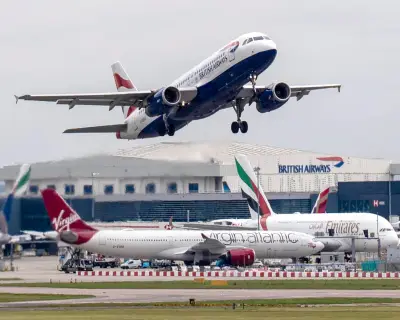
- Reducing air travel where possible
Australia's fuel supply is heavily reliant on imports from Asian nations such as China, Singapore, South Korea, Japan, India, Malaysia, and Indonesia. Earlier this month, Reuters reported that China had effectively halted exports of diesel, gasoline, and jet fuel in March, further straining global supplies. Dr. De Mello emphasized the need for proactive contingency plans, suggesting that fuel rationing could be implemented based on number plates or a QR code system similar to those used during the COVID-19 pandemic.
Potential Consequences of a Fuel Shortage
If Australia were to exhaust its fuel reserves entirely, the consequences could be severe, triggering both economic and social crises. "It'll be a dire situation," Dr. De Mello warned. "When we talk about fuel, you know, we've got to think: Are we going to run out of gasoline for cars, are we going to run out of diesel, or are we going to be running out of jet fuel?"
The immediate impacts would likely include:
- Transport and supply chain disruptions: Much of Australia's major transport relies on diesel, meaning travel and the distribution of essential goods like food and medicines would be severely hampered.
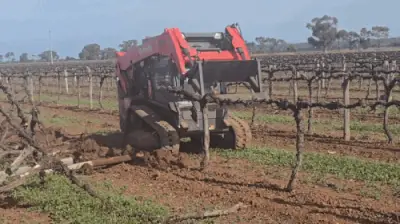
- Strain on essential services: Hospitals and ambulances would face operational challenges, along with industries such as farming that depend on diesel.
- Economic fallout: As groceries and fresh produce become scarcer and more expensive, nationwide economic pressures would intensify.
A Wake-Up Call for Sovereign Capability
Dr. De Mello expressed hope that the current crisis serves as a wake-up call for the Australian government to enhance its fuel security. "Hopefully the government wakes up and says 'hang on if this happens again how can we keep sovereign capability?'" he remarked. He noted that Australia's existing fuel refineries are outdated, costly, and less efficient compared to overseas facilities.
To address these vulnerabilities, he proposed alternatives such as building more fuel storage within Australia or entering into regional cooperation agreements with other countries to store fuel or contribute to refinery construction. "Australia is an isolated country. It takes days, weeks to get goods to come to our shores. And it takes a while to export. We have to maintain a better sovereign capability," he concluded.