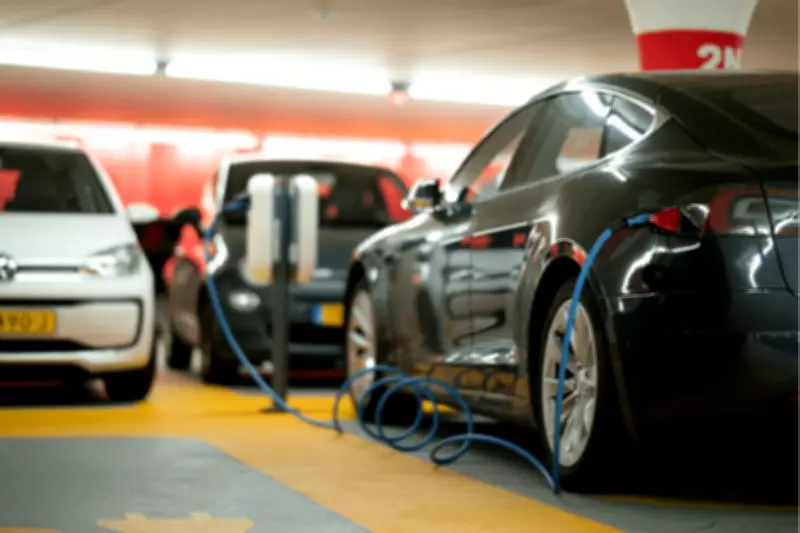
Australia's electric vehicle (EV) market is expected to maintain strong demand despite upcoming changes to tax incentives, according to industry analysts. The federal government's decision to phase out the fringe benefits tax (FBT) exemption for EVs from 2026 has raised questions about future adoption rates, but experts believe the shift will not derail the growing momentum.
Tax Break Phase-Out Details
Currently, EVs are exempt from FBT when provided as a benefit to employees, making them an attractive option for salary packaging. From April 1, 2026, this exemption will be removed, meaning employees who salary package an EV will face additional tax liabilities. The change is part of broader budget measures aimed at tightening tax concessions.
Market Resilience Expected
Despite the policy shift, analysts forecast that EV sales will continue to rise. Factors supporting demand include falling vehicle prices, expanding charging infrastructure, and growing environmental consciousness among consumers. The Electric Vehicle Council noted that the tax break was just one of several incentives, and its removal is unlikely to reverse the adoption trend.

Industry body representatives emphasized that the long-term trajectory for EVs remains positive. They pointed to state-level rebates, lower running costs, and a wider model range as key drivers. Additionally, businesses may still find value in transitioning fleets to electric due to fuel savings and sustainability goals.
Consumer and Business Impact
For consumers, the change primarily affects those using novated leases or salary packaging. Private buyers who purchase EVs outright or via standard loans will not be directly impacted. The government has also maintained other incentives, such as reduced luxury car tax for fuel-efficient vehicles and grants for charging stations.
Businesses that have already invested in EV fleets are expected to absorb the tax change without significant disruption. Many companies are committed to net-zero targets and see electrification as a core strategy. The Australian Tax Office will provide guidance on transitional arrangements for existing salary packaging agreements.
Outlook for 2026 and Beyond
While the removal of the FBT exemption may slow the pace of growth slightly, the overall outlook remains strong. EV market share is projected to reach 30% of new car sales by 2027, up from around 10% currently. The government's broader climate policies, including fuel efficiency standards, are also expected to support the transition.
In summary, the end of the FBT exemption does not spell the end of EV demand in Australia. Instead, it signals a maturation of the market as it moves beyond early adoption incentives toward mainstream acceptance.