Labor Government Endorses National Ethanol Mandate but Timeline Remains Unclear
The Labor government has voiced its backing for a national ethanol mandate, a policy aimed at increasing the use of biofuels across Australia. However, despite this welcomed support, no concrete timeline has been established for its implementation, leaving industry players and environmental advocates in a state of anticipation.
Support for Ethanol Mandate Amid Renewable Energy Push
In a move aligned with broader renewable energy goals, the Labor administration has recognized the potential benefits of an ethanol mandate. This policy would require a minimum percentage of ethanol to be blended into petrol, potentially reducing greenhouse gas emissions and supporting agricultural sectors that produce biofuel feedstocks like sugarcane and grains.
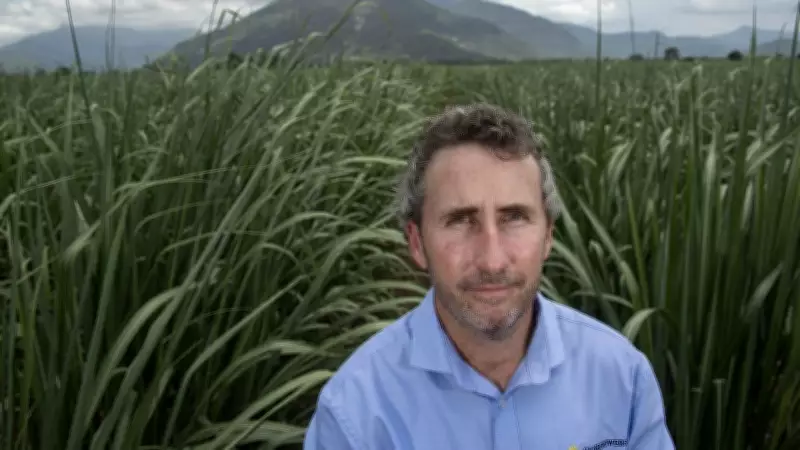
Key stakeholders, including farmers and biofuel producers, have praised the idea as a step towards a greener economy. They argue that such a mandate could create jobs, enhance energy security, and contribute to Australia's climate targets. However, the lack of a definitive schedule has raised concerns about delays in realizing these benefits.

Challenges and Industry Reactions
While the concept of a national ethanol mandate is gaining traction, several challenges remain. These include infrastructure adjustments, potential impacts on fuel prices, and the need for clear regulatory frameworks. Industry groups have called for urgent action, emphasizing that without a timeline, investment and planning could be hindered.
"We welcome the government's support, but we need clarity on when this will happen," said a representative from a biofuel association. "A timeline is crucial for businesses to adapt and for consumers to understand the changes."
Opposition parties and some experts have also weighed in, questioning the feasibility and economic implications of the mandate. They urge the government to provide detailed cost-benefit analyses and engage in broader consultations before moving forward.
Looking Ahead: What's Next for Ethanol Policy?
As the debate continues, the Labor government is expected to conduct further studies and stakeholder engagements to refine the proposal. The absence of a timeline suggests that while the mandate is a priority, it may face bureaucratic hurdles or require additional legislative steps.
In the meantime, states with existing ethanol mandates, such as Queensland, could serve as models for a national approach. Observers note that a coordinated effort is essential to avoid market fragmentation and ensure consistent benefits across the country.
Overall, the national ethanol mandate represents a significant policy shift with potential environmental and economic rewards, but its success hinges on timely and transparent execution by the federal government.