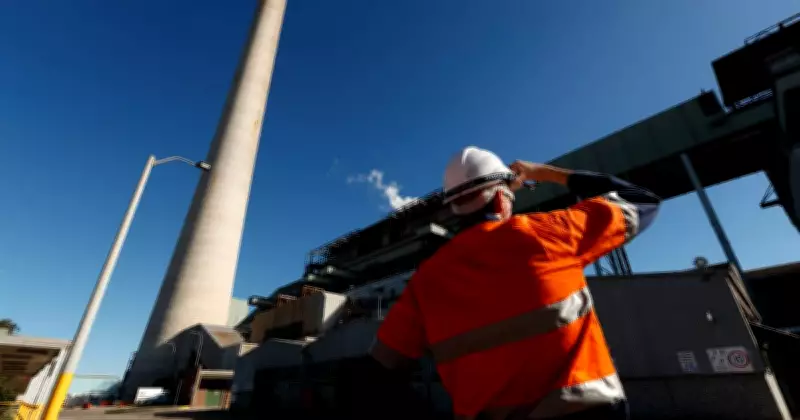
Half a tonne of explosives will be used to bring down the towering 170-metre stacks at the former Liddell Power Station in New South Wales. The demolition, scheduled for later this month, marks a significant milestone in the site's transformation.
Demolition Details
The two concrete stacks, which have been a prominent feature of the Hunter Valley skyline for decades, will be felled using approximately 500 kilograms of explosives. The controlled implosion is expected to take just seconds, but the preparation has taken months of planning.
According to AGL, the owner of the site, the demolition is a critical step in the redevelopment of the power station precinct. The company has been working closely with explosives experts and local authorities to ensure the operation is safe and minimises disruption to the surrounding community.

Safety Measures
Exclusion zones will be established around the site on the day of the demolition. Residents and businesses within a certain radius have been notified, and traffic management plans are in place. AGL has stated that air quality and noise monitoring will be conducted before, during, and after the event to ensure compliance with environmental standards.
The demolition will be carried out by specialist contractors with extensive experience in large-scale industrial demolitions. The use of explosives has been deemed the most efficient and safest method for bringing down the structures, which are among the tallest in the region.
Background of Liddell Power Station
Liddell Power Station began operations in 1971 and was a key supplier of coal-fired electricity for over half a century. It was officially closed in April 2023, as part of AGL's transition towards renewable energy sources. The site is now being repurposed for industrial and clean energy projects, including a large-scale battery storage system.
The demolition of the stacks is symbolic of the shift away from coal power in Australia. Many former coal-fired power stations across the country are being dismantled or repurposed as the nation moves towards a lower-carbon future.
Community Impact
Local residents have expressed mixed feelings about the demolition. While some see it as a necessary step for progress, others feel a sense of loss for the landmark that has been part of the landscape for generations. AGL has committed to keeping the community informed throughout the process and has established a dedicated hotline for inquiries.
The demolition is expected to generate a large amount of dust and debris, but AGL has assured that all necessary precautions will be taken to minimise environmental impact. The company has also stated that the concrete from the stacks will be recycled where possible.
Future Plans for the Site
Once the stacks are down, the focus will shift to the remediation of the site and the development of new energy projects. AGL has announced plans for a grid-scale battery at Liddell, which will help store renewable energy and support the stability of the electricity network.
The redevelopment of Liddell is part of a broader trend in the Hunter Valley, where traditional industries are giving way to new technologies. The region is positioning itself as a hub for clean energy, with several large-scale solar and wind farms already in operation or under construction.
The exact date of the demolition will be confirmed closer to the time, depending on weather conditions and other factors. AGL has said that it will provide live updates on the day via its website and social media channels.