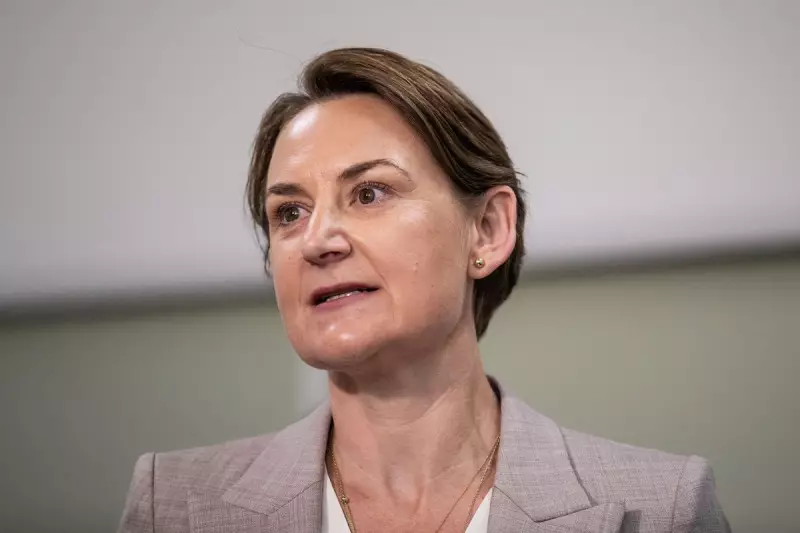
Western Australia's political landscape is heating up as the state's energy policy becomes a focal point of contention. Amber-Jade Sanderson, a prominent political figure, has launched a pointed critique against the WA Liberals, accusing them of attempting to have it both ways when it comes to energy strategy.
The Core of the Controversy
In a recent opinion piece, Sanderson outlined what she describes as a pattern of inconsistency from the opposition party. She argues that the WA Liberals are sending mixed signals to voters and industry stakeholders by advocating for contradictory energy solutions simultaneously.
Political Double Standards
According to Sanderson's analysis, the Liberal party appears to be trying to appeal to both traditional energy sectors and renewable energy advocates without committing to a coherent long-term vision. This approach, she suggests, creates uncertainty for Western Australia's energy future and undermines effective policy development.

The timing of this criticism is particularly significant as Western Australia faces ongoing challenges in balancing energy security, economic growth, and environmental sustainability. Sanderson's comments come amid broader national debates about energy transition and climate policy.
Broader Implications
This political scrutiny highlights the complex dynamics at play in Australian energy politics. Western Australia, with its significant resources sector and growing renewable energy potential, represents a microcosm of the national energy debate where political parties must navigate competing interests and expectations.
Sanderson's intervention serves as a reminder that energy policy remains one of the most divisive and consequential issues in contemporary Australian politics. The WA Liberals' response to these criticisms will likely shape their credibility on energy matters moving forward.
As the debate continues to evolve, Western Australians will be watching closely to see how political parties reconcile their energy policy positions with the state's economic and environmental needs.