Cyclone Narelle Strikes Rio Tinto's Cape Lambert Port, Damaging Critical Jetty
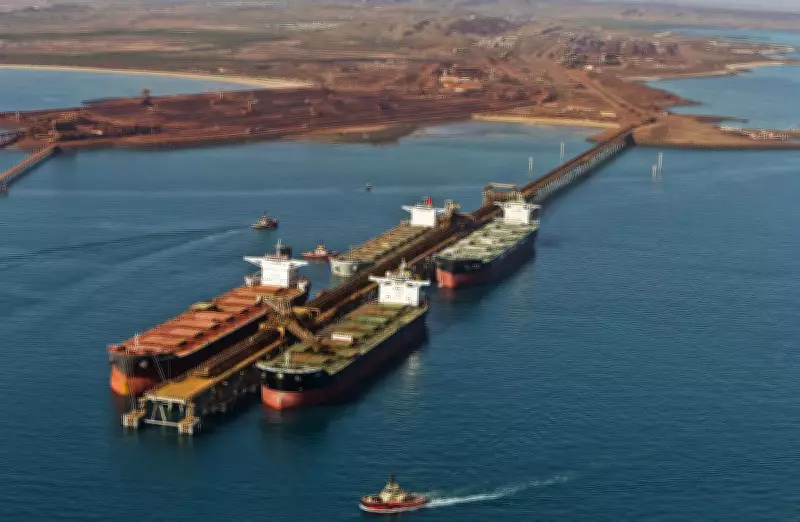
One of Rio Tinto's two jetties at the Cape Lambert port in Western Australia has been significantly damaged by cyclone Narelle, leading to substantial disruptions in iron ore shipments. The mining giant confirmed the incident on Monday afternoon, attributing the damage to severe wild weather conditions that swept through the region.
Impact on Iron Ore Operations and Estimated Losses
Early reports from sources indicated that ships were avoiding the affected jetty, with a dive vessel deployed to assess the extent of the damage. Rio Tinto stated that repairs are currently underway at Cape Lambert A, and shipping operations are expected to resume within the coming days. However, the company revealed that recent weather events, including tropical cyclone Mitchell in February, have collectively impacted iron ore shipments by approximately 8 million tonnes this year.
Despite these setbacks, Rio Tinto has identified a pathway to recover around half of the lost shipments. The company's Pilbara iron ore shipment guidance for 2026 remains unchanged, set at 323 to 338 million tonnes, reflecting efforts to mitigate the cyclone's effects on overall production targets.

Comparison with Other Mining Operations and Historical Context
In contrast, Mineral Resources, another major mining company in the area, reported that its flagship Onslow Iron project was largely unaffected by cyclone Narelle. Coastal-based teams have returned to site after evacuation, and operations, including transhipper fleet activities and haulage, have resumed at the Port of Ashburton.
This incident follows a previous disruption for Rio Tinto last year, when cyclone Sean flooded a railcar dumper at its Karratha port, knocking it out of action for about a month. That facility, along with Cape Lambert, is crucial for exporting all of Rio Tinto's Pilbara iron ore, with the flooded dumper responsible for over 13 percent of the region's annual output at the time.
The damage highlights the ongoing vulnerability of mining infrastructure in Western Australia to extreme weather events, posing challenges for the iron ore industry's stability and export capabilities.