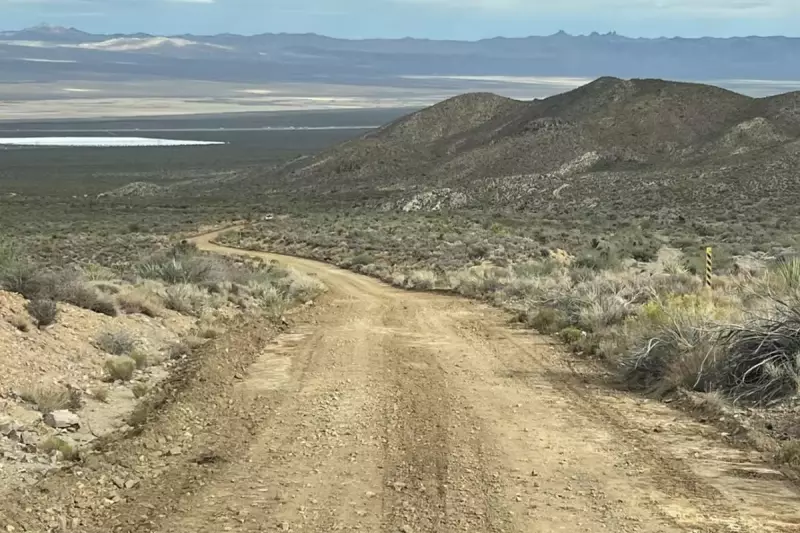
Dateline Resources is advancing its Colosseum gold and rare earths project in California, with new geophysical data pointing to significant mineral potential at depth. The company is currently constructing road access as it prepares for future production, bolstered by a recent $35 million capital raise.
Geophysical Convergence Highlights Mineral Potential
Preliminary results from a ground-induced polarisation (IP) geophysical survey have revealed zones of elevated chargeability at both shallow and deeper levels across the central project area. Management emphasises that the convergence of multiple independent datasets—including IP chargeability highs, earlier magneto telluric (MT) conductivity features, and a regional USGS thorium radiometric signature—strongly suggests structurally controlled, altered sulphide-bearing zones at depth.
"The data supports the theory of a large mineral system with deep structural and sulphide-hosted features that may reflect mineralising plumbing beyond near-surface ore zones," said Dateline Resources managing director Stephen Baghdadi.

Survey Details and Geological Context
The IP survey utilised a five-line setup with 100m dipole spacing, covering 13 line-kilometres. It targeted deep structural features interpreted from previous MT data and regional radiometric results, specifically aiming to aid drill planning. Two northern lines focused on gold and fenite mineralisation, while three southern lines followed up conductivity features from MT inversion.
Fenite, a high-temperature rock formed from carbonatite magma alteration, is a crucial source of rare earth elements. Dateline points to published research showing that the Sulphide Queen carbonatite at the nearby Mountain Pass rare earths mine hosts chargeable copper-iron sulphides, suggesting similar geological processes at Colosseum.
Strategic Moves and Project Economics
Dateline has engaged Mitre Geophysics to interpret the latest IP data and integrate it with existing MT and radiometric datasets to finalise prime drill targets. The company plans to prioritise areas of geophysical convergence for an expanded deep drilling program.
This comes after a $35 million placement at 31 cents per share, which has proven timely—share prices peaked at 49 cents on news of the preliminary IP results. The placement will fund a bankable feasibility study as Dateline moves toward production.
Enhanced Board and Project Outlook
Recently, two seasoned North American mining professionals, George Brack and Phillips Baker Jr, joined Dateline's board as non-executive directors. This move aims to amplify the company's US presence and strengthen its profile in the precious and critical minerals sector.
The Colosseum project, located within the Walker Lane geological trend in East San Bernardino County, already boasts a JORC-2012-compliant mineral resource estimate of 27.1 million tonnes grading 1.26 g/t gold for 1.1 million ounces. A 2024 scoping study projected production of 635,000 ounces over eight years, with net revenues of US$827 million and an internal rate of return of 61%, based on a gold price of US$2900 per ounce.
With gold prices now exceeding US$5000 per ounce, the project's economics have improved significantly. Coupled with strong US demand for domestically sourced rare earth minerals, these factors create favourable tailwinds for Dateline's Colosseum development.