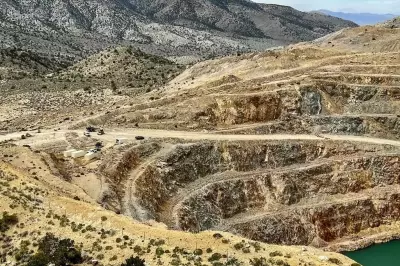
Treasurer Jim Chalmers has acknowledged the growing backlash over proposed changes to capital gains tax, particularly from the mining sector, and has stated that he takes the concerns very seriously. The changes, which are part of the government's broader tax reform agenda, have sparked significant unease among miners who fear they could dampen investment and harm the industry's competitiveness.
Background of the Tax Changes
The proposed amendments to capital gains tax are designed to close loopholes and ensure that multinational corporations and high-net-worth individuals pay their fair share. However, mining companies argue that the changes could have unintended consequences, such as reducing the incentive for exploration and development projects. The sector is a major contributor to the Australian economy, and any policy that threatens its viability is met with intense scrutiny.
Miners' Concerns
Industry representatives have voiced strong opposition, warning that the tax changes could lead to a slowdown in mining investments. They argue that the current tax framework already provides sufficient mechanisms for fair taxation and that additional burdens could drive capital overseas. The Minerals Council of Australia has been particularly vocal, calling for a more measured approach that balances revenue needs with economic growth.

Key concerns include the potential for retrospective application of the tax, which could affect existing projects and partnerships. Miners are also worried about the complexity of the new rules, which may increase compliance costs and create uncertainty for long-term planning. The industry has called for clearer guidelines and a transition period to adjust to the new regime.
Treasurer's Response
In response to the backlash, Treasurer Chalmers has assured stakeholders that the government is listening and will consider their feedback. He emphasized that the goal is not to penalize the mining sector but to ensure tax integrity and fairness. Chalmers noted that the government is open to refining the proposals to address legitimate concerns while still meeting its revenue targets.
"We take the feedback from the mining industry very seriously," Chalmers said. "Our aim is to strike the right balance between closing tax loopholes and maintaining a competitive environment for businesses that are vital to our economy." He also indicated that further consultations would be held before any final decisions are made.
Political Implications
The issue has become a political flashpoint, with the opposition accusing the government of waging a war on the mining sector. The Coalition has seized on the controversy, arguing that the tax changes will hurt jobs and economic growth. Meanwhile, some crossbench senators have expressed skepticism, potentially complicating the passage of the legislation through Parliament.
Analysts suggest that the government may need to make concessions to secure the necessary support. The outcome of these negotiations could have broader implications for Australia's tax policy and its relationship with the resources sector.
As the debate continues, miners remain wary but hopeful that a compromise can be reached. The coming weeks will be crucial in determining the final shape of the reforms and their impact on one of Australia's most important industries.