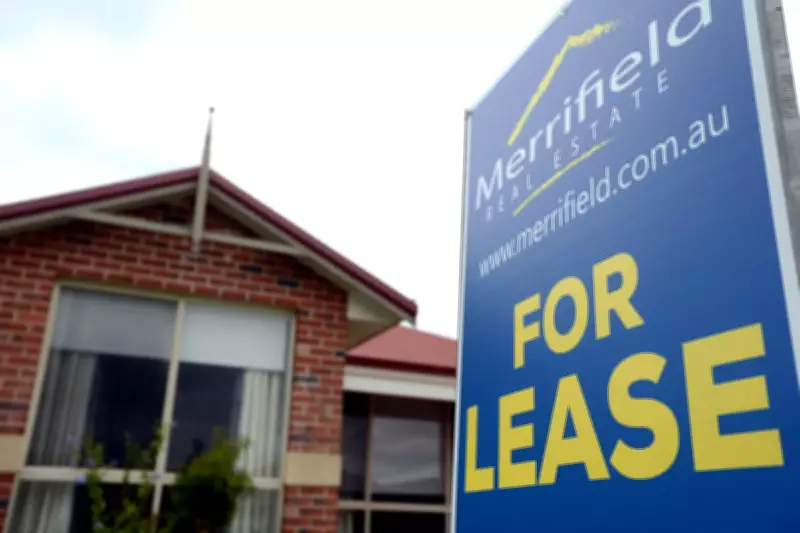
Landlords Advocate for Legal Tools to Address Toxic Tenant Situations
In the complex world of property rentals, landlords are increasingly calling for more robust legal mechanisms to end problematic tenancies. While tenant charges can be substantial, property owners argue that the current system often leaves them without effective recourse when faced with toxic rental relationships that disrupt their investments and communities.
The Financial Burden of Tenant Charges
Landlords frequently encounter significant costs associated with tenant issues, ranging from unpaid rent to property damage. These charges can accumulate quickly, placing a heavy financial strain on property owners, particularly those with limited resources. However, the debate centers not just on the expenses but on the broader need for a balanced approach that protects both parties' interests.
Challenges in Terminating Problematic Tenancies
Current regulations in many jurisdictions make it difficult for landlords to evict tenants, even in cases of severe misconduct or persistent breaches of lease agreements. This lack of legal options can lead to prolonged disputes, escalating tensions, and negative impacts on neighboring residents. Property managers report that toxic rental relationships often stem from issues like harassment, illegal activities, or repeated violations of rental terms.

- Delays in legal processes that prolong problematic tenancies
- Inadequate protections for landlords facing tenant misconduct
- The emotional and financial toll on property owners
- Potential impacts on rental market stability
Seeking a Balanced Solution
Advocates for reform emphasize that providing landlords with clearer legal pathways to end toxic relationships does not mean undermining tenant rights. Instead, they propose measures such as expedited hearings for severe cases, better documentation requirements, and mediation services to resolve disputes amicably. The goal is to create a fairer system where both landlords and tenants can thrive without fear of exploitation or injustice.
As the rental market evolves, ongoing discussions between policymakers, tenant groups, and property owners are crucial. Finding a middle ground that addresses the legitimate concerns of landlords while safeguarding tenant protections remains a key challenge for the housing sector.