Middle East Conflict Enters Second Month as Ceasefire Crumbles
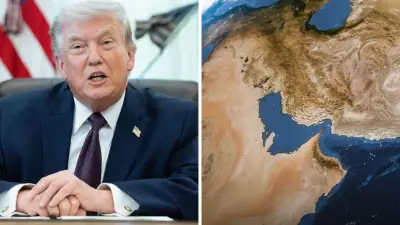
The war in the Middle East has now reached its second month, with a previously fragile ceasefire agreement completely unraveling after a dramatic escalation across the region. The situation deteriorated rapidly following coordinated air strikes by the United States and Israel against targets in Iran, which resulted in the death of Supreme Leader Ayatollah Ali Khamenei and several other senior Iranian officials.
Operation Epic Fury Sends Shockwaves Globally
The military action, codenamed Operation Epic Fury, has sent profound shockwaves through international markets and global supply chains. Critical sectors from commercial shipping and air travel to the oil industry are experiencing severe disruption, particularly in the strategic waterways that serve as vital global trade hubs. Energy costs are soaring worldwide as the conflict threatens to destabilize a region responsible for a significant portion of the world's energy exports.
Deadliest Day in Lebanon as Airstrikes Intensify
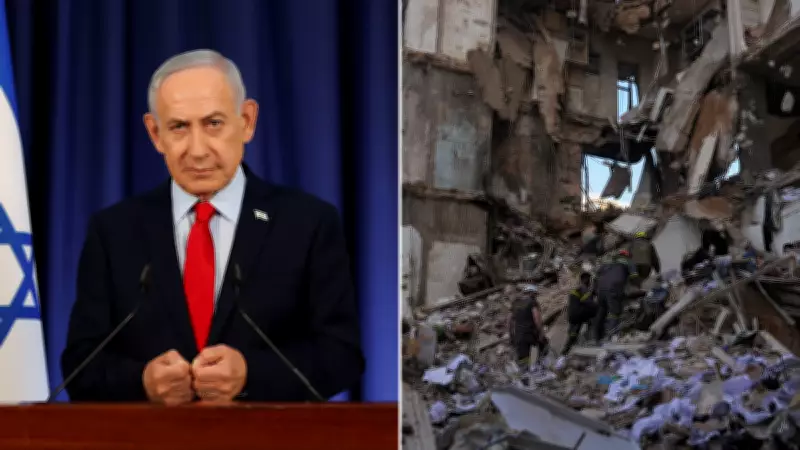
Meanwhile, the conflict has spread violently into Lebanon. On Wednesday local time, a massive bombardment of Israeli airstrikes killed more than 300 people in Lebanon, marking the single deadliest day of the war within that country. Israeli forces fired over 100 airstrikes across Lebanon in just ten minutes, with many munitions striking residential buildings in the densely populated capital city of Beirut.

The Israeli Defense Forces (IDF) described this assault as their largest military operation against Lebanon since the war began. The Lebanese Health Ministry confirmed the casualty figures, stating the strikes resulted in Lebanon's highest daily death toll since the escalation started on March 2nd. The total reported fatalities in Lebanon have now climbed to 1,888, with 6,092 individuals wounded.
Israeli authorities allege these attacks specifically targeted command centers operated by the Lebanese militia group Hezbollah, a long-standing ally of Iran. Despite ongoing confusion and diplomatic efforts concerning Lebanon's inclusion in any region-wide ceasefire, the IDF announced it had launched additional attacks on Thursday, local time.
Netanyahu Firmly Rejects Ceasefire with Lebanon
Israeli Prime Minister Benjamin Netanyahu has explicitly rejected the notion of a ceasefire with Lebanon. He stated that the recent ceasefire agreement involving Iran, the US, and Israel did not include the ongoing conflict with Lebanon. Netanyahu doubled down on this position following the IDF's massive airstrike campaign across Lebanon.
"I want to tell you: there is no ceasefire in Lebanon. We are continuing to strike Hezbollah with force, and we will not stop until we restore your security," Netanyahu declared in a public address. However, in a contradictory move suggesting potential diplomatic channels, he also revealed a plan to secure a future ceasefire with Lebanon and authorized diplomats to begin preliminary negotiations.
Tehran has vehemently condemned the recent wave of deadly attacks in Lebanon, which killed at least 300 people and threatened the complete collapse of an already precarious ceasefire deal. The death of Ayatollah Khamenei and the escalation in Lebanon have created a volatile and highly dangerous situation, with the war now showing clear signs of spreading beyond its original borders and impacting global stability.