RBA Poised for Rate Hike as Canberra Homeowners Face Mortgage Squeeze
The Reserve Bank of Australia is widely anticipated to increase the official cash rate this afternoon, marking a significant shift in monetary policy that will directly impact households across the nation. For Canberra residents, this move signals a fresh financial challenge as mortgage repayments are set to rise once again.
Inflation Data Spurs Expected Rate Adjustment
Australia's inflation rate climbed to 3.8 per cent in the twelve months leading to December 2025, surpassing economists' forecasts. The consumer price index alone surged by 1 per cent in a single month, prompting concerns about persistent price pressures.
In response, the nation's four major banks have projected a 0.25 percentage point rise in the cash rate following the RBA's meeting. This adjustment would elevate the rate to 3.85 per cent, representing the first increase since November 2023.

Canberra Mortgage Holders to Feel Immediate Pinch
According to calculations by The Canberra Times, the median monthly mortgage repayment in the territory is expected to jump by $112, reaching $4141. This estimate is based on a typical loan of $707,840 over 30 years with a current interest rate of 5.5 per cent.
Tom Wiggins, a selling agent with Hive Property in the ACT, described the anticipated rate changes as "bamboozling" for many people. "It's just confusing people. Rates went down, then they held, and now they are talking about going up," he remarked, noting that numerous individuals are awaiting greater certainty before making property decisions.
Political and Economic Ramifications for Treasurer
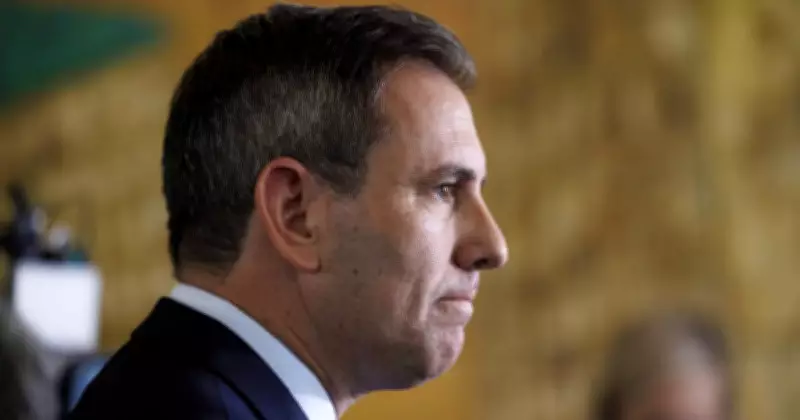
The potential rate hike presents a political hurdle for Treasurer Jim Chalmers, who must now explain to Canberrans and voters nationwide why this increase does not signal economic turmoil. Just a year ago, Chalmers was anticipating a rate cut ahead of the May 2025 election.
Economists have advised the government to rein in spending by approximately $50 billion, returning to pre-pandemic levels. This recommendation was outlined in the Australian Chamber of Commerce and Industry's pre-budget submission to Treasury and supported by the Organisation for Economic Co-operation and Development.
Chalmers has repeatedly refuted claims that government expenditure is fueling the inflation surge, setting the stage for a delicate balancing act in economic messaging.
Renters and Investors Navigate Shifting Landscape
Renters across the territory may also face repercussions, as landlords could pass on the rate hike through increased rents in new lease agreements. Recent data from Cotality reveals that Canberra house rents grew by 2.8 per cent in the year to January, while unit prices saw a 2.9 per cent annual increase.
Investors have enjoyed a median rental yield of 4.1 per cent over the past year, the third-highest among capital cities, largely due to steady interest rates. However, Canberra's stringent rent cap regulations may diminish this yield for properties with existing tenants.
Silver Lining for First-Home Buyers
Amid the challenges, a rate rise could offer some relief to first-home buyers striving to enter a market where dwelling values have risen by 5.5 per cent in the year to January 2026. This period included three rate cuts, contrasting with a 0.3 per cent downturn the previous year when the cash rate remained stagnant at 4.35 per cent.
Historically, rate hikes tend to moderate property growth by increasing mortgage repayments and reducing borrowing capacity, thereby cooling demand. Wiggins observed that astute first-home buyers have already factored in the likely rate increase, using it as a negotiation tool in recent weeks. "Buyers have priced it in already, so they can use it to their advantage," he explained.
As the RBA's decision looms, Canberra's property market stands at a crossroads, with homeowners, renters, and prospective buyers all bracing for the financial implications of today's anticipated announcement.