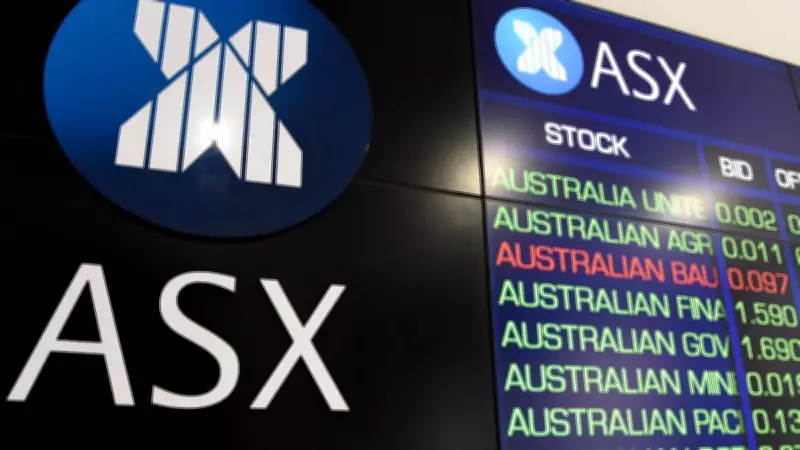
Australian Share Market Tumbles Amid Oil Price Volatility and Geopolitical Tensions
The Australian share market has plunged deep into the red, with the ASX200 index suffering significant losses driven by a surge in oil prices and escalating tensions from recent tanker attacks in the Red Sea. This downturn reflects heightened investor anxiety over global economic stability and energy market disruptions.
Oil Price Gains Fuel Market Uncertainty
Oil prices have climbed sharply, contributing to the market's decline as investors grapple with the implications for inflation and corporate costs. The increase in crude prices is linked to supply concerns and geopolitical risks, which have intensified following attacks on commercial vessels in key shipping lanes. This volatility has prompted a sell-off in sectors sensitive to energy costs, such as transportation and manufacturing.
Tanker Attacks in the Red Sea Exacerbate Losses
Recent tanker attacks in the Red Sea have further rattled the Australian share market, adding to the downward pressure on the ASX200. These incidents have raised fears about disruptions to global trade routes and energy supplies, leading to a flight to safety among investors. The attacks underscore the broader geopolitical risks that are impacting financial markets worldwide.

Impact on Key Sectors and Investor Sentiment
The decline in the ASX200 has been broad-based, affecting various sectors including:
- Energy: While oil companies may benefit from higher prices, the overall market sentiment has turned negative due to uncertainty.
- Financials: Banks and financial institutions have seen declines as investors worry about economic slowdowns.
- Industrials: Companies in this sector are facing increased costs from rising oil prices, impacting profitability.
Investor confidence has been shaken, with many opting to reduce exposure to equities in favor of safer assets. This shift highlights the market's sensitivity to external shocks and its rapid response to unfolding events.
Broader Economic Implications
The downturn in the Australian share market signals potential challenges for the broader economy, including:
- Inflationary pressures: Higher oil prices could lead to increased costs for consumers and businesses, potentially slowing economic growth.
- Trade disruptions: The tanker attacks threaten to disrupt international trade, affecting Australian exports and imports.
- Market volatility: Continued geopolitical tensions may lead to ongoing fluctuations in the ASX200, requiring careful monitoring by investors.
As the situation evolves, market participants are closely watching for developments that could either exacerbate or alleviate the current pressures. The combination of oil price gains and security concerns in the Red Sea has created a perfect storm for the Australian share market, driving it deep into negative territory and underscoring the interconnected nature of global financial systems.