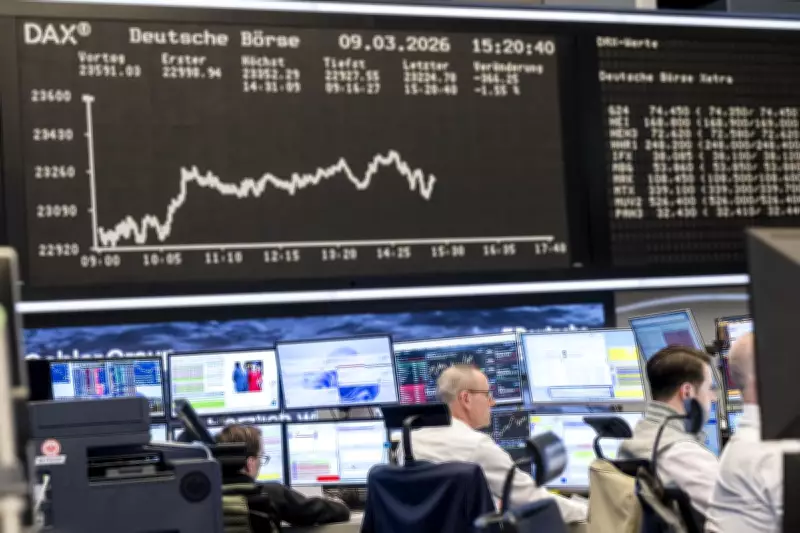
Middle East Turmoil and Energy Shock Spook Investors, Analysts Warn Against Buying Dip
Investors are facing heightened market volatility as Middle East chaos and an energy price shock create a climate of uncertainty, with financial analysts cautioning that now is not the time to buy the dip. The combination of geopolitical tensions and energy market disruptions has spooked market participants, leading to sharp fluctuations in asset prices and a cautious approach from investment professionals.
Geopolitical Tensions Drive Market Uncertainty
The ongoing turmoil in the Middle East has significantly impacted investor sentiment, contributing to increased market volatility. Conflicts and political instability in the region have raised concerns about global stability, prompting investors to reassess risk exposures and adjust their portfolios accordingly. This geopolitical uncertainty is a key factor driving the current market jitters, as it introduces unpredictability into economic forecasts and corporate earnings projections.
Energy Price Shock Adds to Investor Concerns
Simultaneously, an energy shock has emerged, with rising prices and supply disruptions further spooking investors. The energy market volatility is linked to factors such as production cuts, geopolitical events affecting oil-rich regions, and broader economic pressures. This shock has ripple effects across various sectors, increasing costs for businesses and consumers, and adding to inflationary pressures that complicate monetary policy decisions.

Analysts Advise Caution on Buying the Dip
Financial analysts are warning investors against attempting to buy the dip in this environment. The traditional strategy of purchasing assets during market downturns may be risky given the current levels of uncertainty and potential for further declines. Experts highlight that the underlying causes of the volatility—geopolitical chaos and energy shocks—are not easily resolved, suggesting that market conditions could remain turbulent for an extended period.
Key Points from Market Analysts:- Heightened volatility makes timing the market particularly challenging.
- Energy price shocks could persist, affecting corporate profitability.
- Geopolitical risks may escalate, leading to broader economic impacts.
- Investors should focus on risk management rather than speculative dips.
Impact on Investment Strategies
The spooked investor sentiment is leading to shifts in investment strategies, with many opting for safer assets or reducing exposure to high-risk markets. Market participants are closely monitoring developments in the Middle East and energy sectors, as these factors will likely continue to influence global markets in the near term. The advice from analysts underscores the importance of a cautious approach, emphasizing diversification and long-term planning over short-term gains.