The Fishermen's Trail in Portugal's Algarve region offers a unique multi-day hiking experience along the country's dramatic southwestern coastline. This 120-kilometre route, part of the larger Rota Vicentina network, winds through cliffs, sandy coves, and traditional fishing villages, providing walkers with an immersive encounter with the region's natural beauty and cultural heritage.
Route Overview and Highlights
The trail stretches from São Torpes to Cabo de São Vicente, the southwesternmost point of mainland Europe. It typically takes five to seven days to complete, with daily stages ranging from 15 to 25 kilometres. Hikers traverse diverse landscapes, including golden cliffs, pine forests, and marshy estuaries, while passing through villages like Porto Covo, Vila Nova de Milfontes, and Sagres.
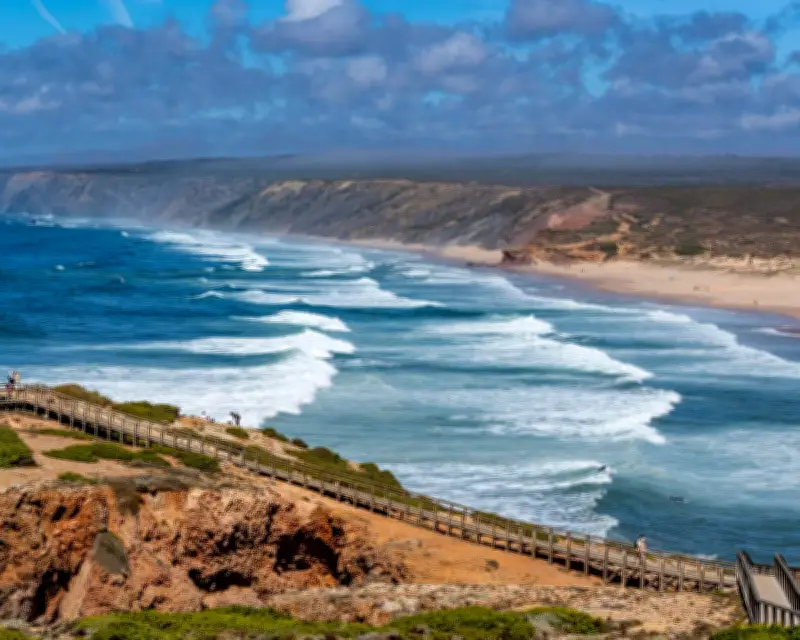
One of the standout sections is between Porto Covo and Vila Nova de Milfontes, where the path hugs the coastline, offering panoramic views of the Atlantic Ocean. The trail is well-marked with blue and green signs, and accommodation options range from simple guesthouses to eco-lodges.

Practical Information for Hikers
The best time to hike is spring (March to May) or autumn (September to November), when temperatures are mild and crowds are thinner. Summer can be extremely hot, with temperatures exceeding 40°C, while winter brings cooler weather and occasional rain. Hikers should carry at least two litres of water per day, as water sources along the trail are limited.
According to local tourism officials, the trail has seen a 30% increase in visitors over the past three years, with many walkers coming from Germany, the Netherlands, and the United Kingdom. “The Fishermen's Trail has become a flagship for sustainable tourism in the Algarve,” said Maria Santos, a representative from the Algarve Tourism Board. “It allows visitors to experience our coastline in a way that respects the environment and supports local communities.”
Cultural and Environmental Significance
The trail follows ancient paths used by fishermen to reach their fishing grounds and transport their catch. Along the way, hikers can observe traditional fishing techniques, visit local markets, and sample fresh seafood in coastal restaurants. The route also passes through the Southwest Alentejo and Vicentine Coast Natural Park, a protected area that is home to rare bird species and diverse flora.
Efforts to maintain the trail involve local communities and volunteers, who ensure that the path remains accessible and environmentally sustainable. The trail is part of a broader initiative to promote walking tourism in Portugal, which has grown significantly in recent years.
Accommodation and Logistics
Hikers can choose from a variety of lodging options, including rural guesthouses (casas rústicas), hostels, and hotels. Many accommodations offer luggage transfer services, allowing walkers to carry only a daypack. The trail is accessible by public transport, with buses connecting major towns along the route.
For those seeking a shorter experience, several sections can be hiked as day trips. The most popular day hike is the stretch from Sagres to Cabo de São Vicente, which offers stunning cliff-top views and the iconic lighthouse at the cape.
Conclusion
The Fishermen's Trail offers a rewarding hiking holiday that combines physical challenge with cultural discovery and natural beauty. Its growing popularity reflects a global trend toward sustainable and experiential travel. Whether completed in full or in part, the trail provides an unforgettable journey along one of Europe's most beautiful coastlines.